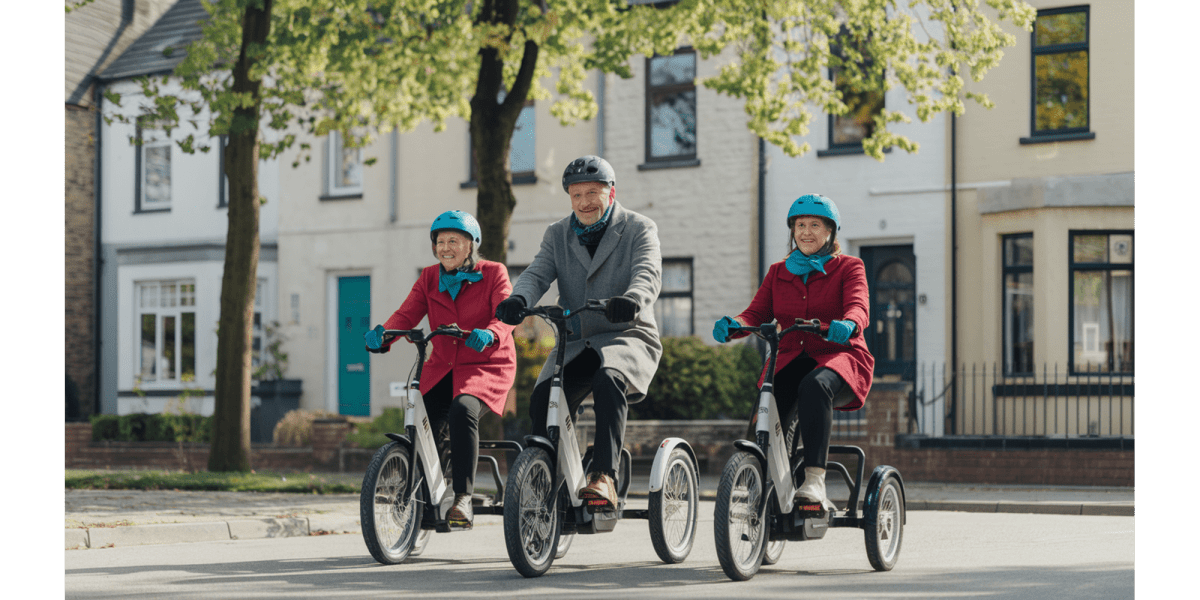
Growing older brings new challenges and opportunities to stay fit and healthy. I've discovered that cycling is a fantastic way to meet both goals. Cycling is low-impact, making it gentle on the joints while providing a great workout. It's an activity that combines physical fitness with fresh air and the joy of being outdoors. Embracing this form of exercise has many benefits.
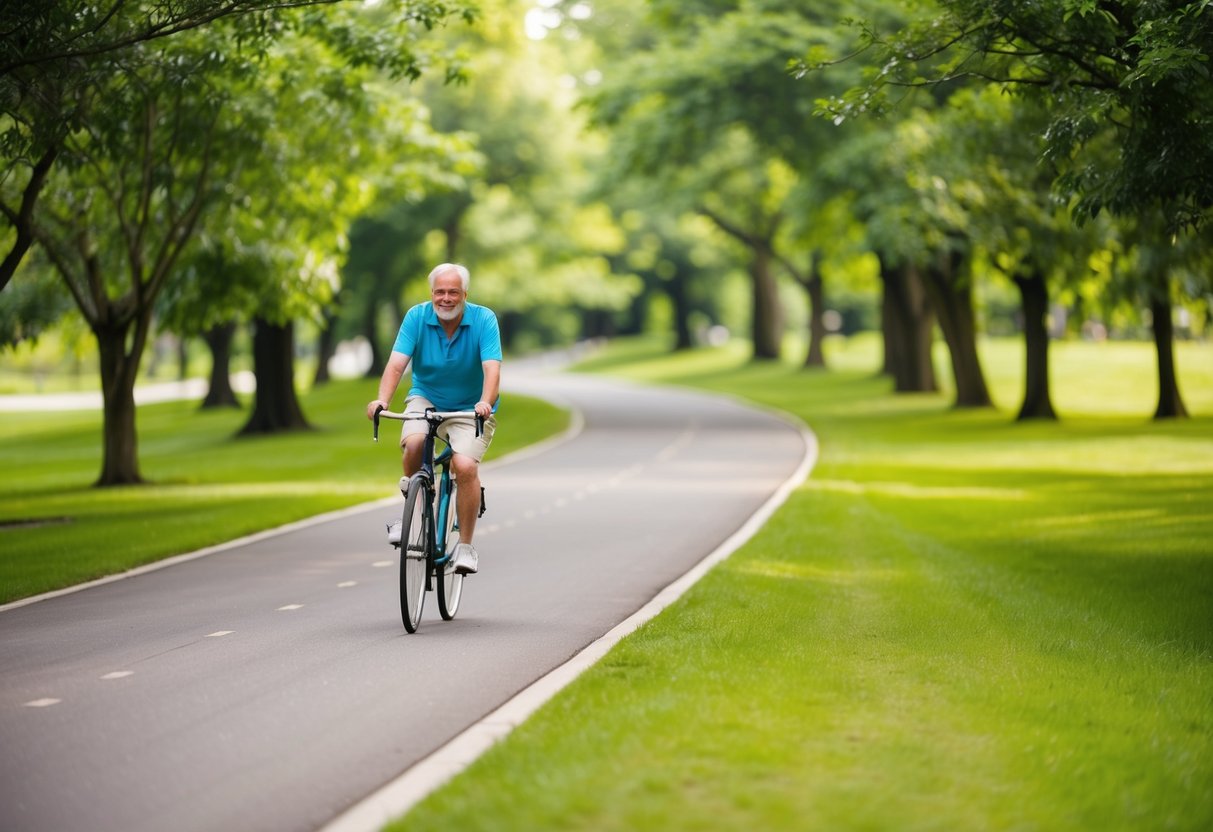
I find that cycling regularly helps keep my body strong and flexible. It gently boosts my cardiovascular health, which plays a crucial role in maintaining my overall well-being. Additionally, cycling encourages me to explore new places and connect with friends who share this interest.
Cycling also positively impacts my mind. It's a great stress reliever, and I've noticed improvements in my mood and mental clarity. The social aspect of joining a cycling group is also rewarding, as I meet new people and create lasting memories.
Key Takeaways
- Cycling promotes healthy aging with low-impact exercise.
- It supports physical, mental, and social well-being.
- Embracing cycling can enhance longevity and quality of life.
The Many Facets of Cycling as Exercise
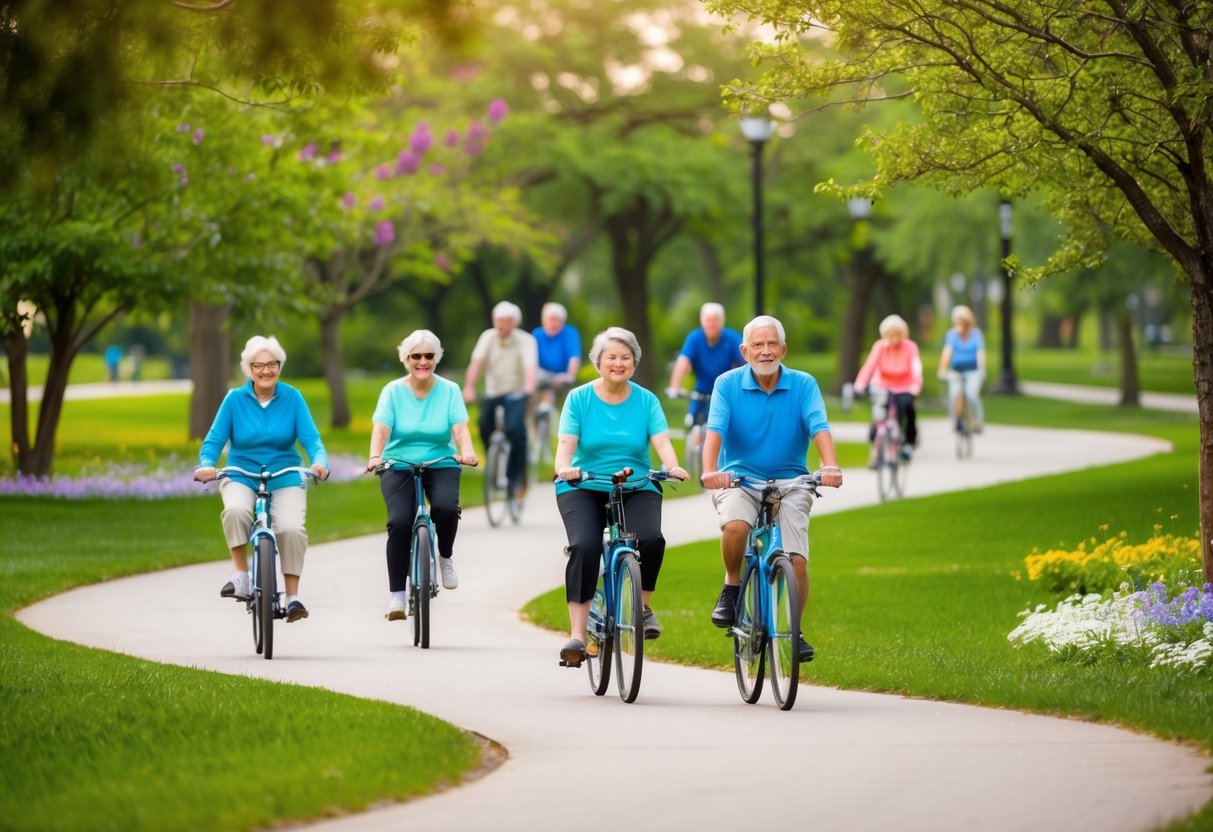
Cycling is a versatile activity that offers numerous advantages for seniors. By improving heart health, boosting strength, and offering a low-impact workout, it helps promote overall physical well-being.
Cycling's Role in Cardiovascular Fitness
When I hop on my bike, I feel my heart working harder, giving me a solid aerobic exercise. Cycling improves cardiovascular health by increasing heart rate and boosting my endurance. My heart grows stronger and more efficient as I pedal regularly, which can help lower the risk of chronic diseases like heart disease.
Riding a bike also keeps blood vessels healthy. It helps reduce blood pressure and bad cholesterol levels. These benefits go a long way toward supporting my heart health. Plus, the rhythmic nature of cycling can be great for mental health, offering relaxation and reducing stress. It's an enjoyable way to maintain cardiovascular fitness without straining my joints too much.
Building Muscular Strength and Flexibility
Cycling involves more than just pedaling. Each ride helps build muscle mass, especially in the lower body. My legs, thighs, and glutes all get a workout from regular rides. I feel my muscles growing stronger with each push on the pedals.
Besides muscle strength, cycling also enhances flexibility. My knees and hips move smoothly as they rotate with the pedals, improving joint mobility. The low-impact nature of cycling is gentle on my joints, unlike some other forms of exercise. I especially appreciate how it helps with balance and coordination, which are vital for staying active and independent as I age.
The Importance of Low-Impact Activities
One of the biggest reasons I love cycling is that it's a low-impact exercise. This means it's kind to my body, especially my knees and other joints. Unlike high-impact activities, cycling allows me to stay active without causing harm or pain.
Low-impact exercises like cycling help maintain physical health without putting too much stress on the body. This makes it a perfect choice for seniors like me, who need to stay fit but also need to be careful. This approach ensures I can continue exercising regularly, building endurance and strength safely.
Staying Safe and Healthy on the Ride
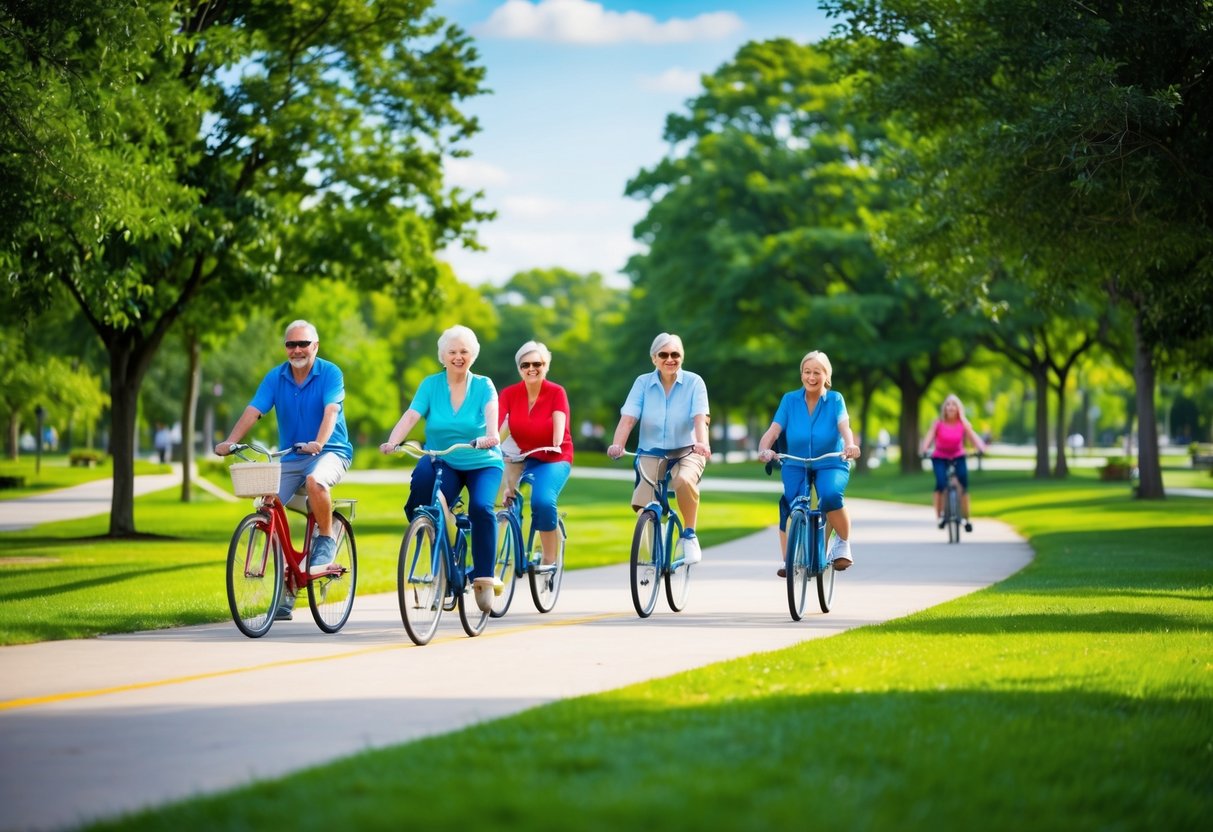
When I cycle, I focus on staying safe and feeling good. It's important to know the rules, have the right gear, and be aware of what my body is telling me.
Rules of the Road and Cycling Safety
Before I start my ride, I always remind myself of the rules of the road. Being visible is key. I make it a habit to wear bright clothing and put lights on my bike. Checking my brakes is crucial, especially if I'm going downhill or riding at night.
I stick to bike lanes whenever possible to stay out of traffic. I also pay attention to road signs and signals. If I plan to ride in a new area, I try to know the local cycling laws. This keeps both me and other people using the road safer.
Choosing the Right Gear for Comfort and Protection
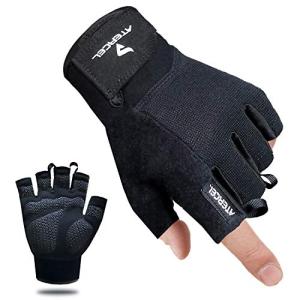
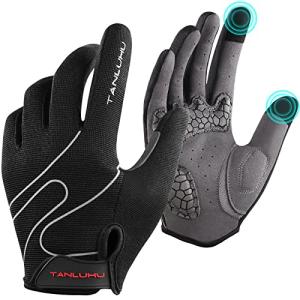
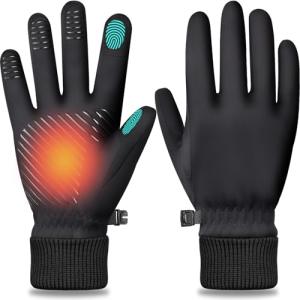
Having the right gear makes my ride more comfortable and safe. A good helmet is non-negotiable. It needs to fit well and feel snug without being too tight. The same goes for my shoes—they should grip the pedals securely.
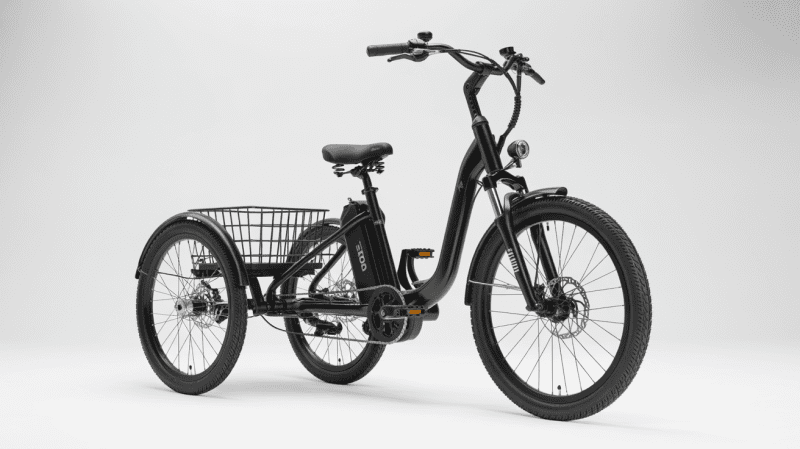
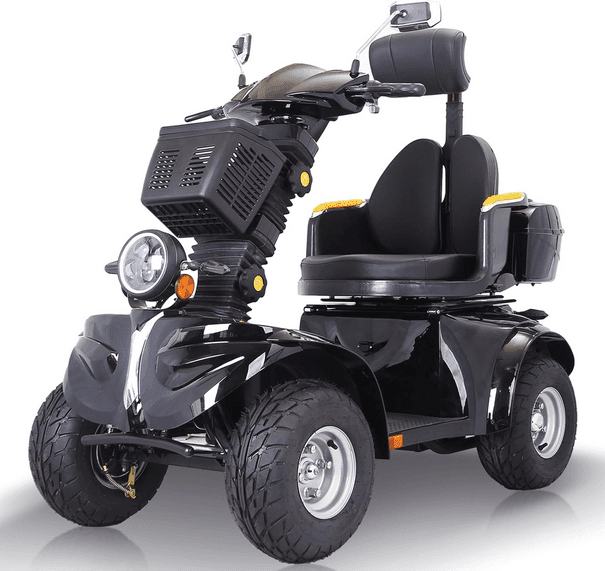
I also think about the type of bike I use. Recumbent bikes can be a great choice for extra comfort, and an electric bike helps when I need a little assistance. If the weather is not great, indoor cycling is a safe alternative.
Understanding Your Limits and Listening to Your Body
Every ride is different, and I always pay attention to how I feel. Knowing my limits can prevent accidents and injuries. I might push myself a bit, but I never ignore pain or fatigue.
Before heading out, I take a few minutes to warm up. It helps prevent strains and makes my ride smoother. I carry water to stay hydrated, especially on hot days or longer trips. Taking care of my body is just as important as enjoying the ride.
Enhancing Mental and Social Well-Being Through Cycling
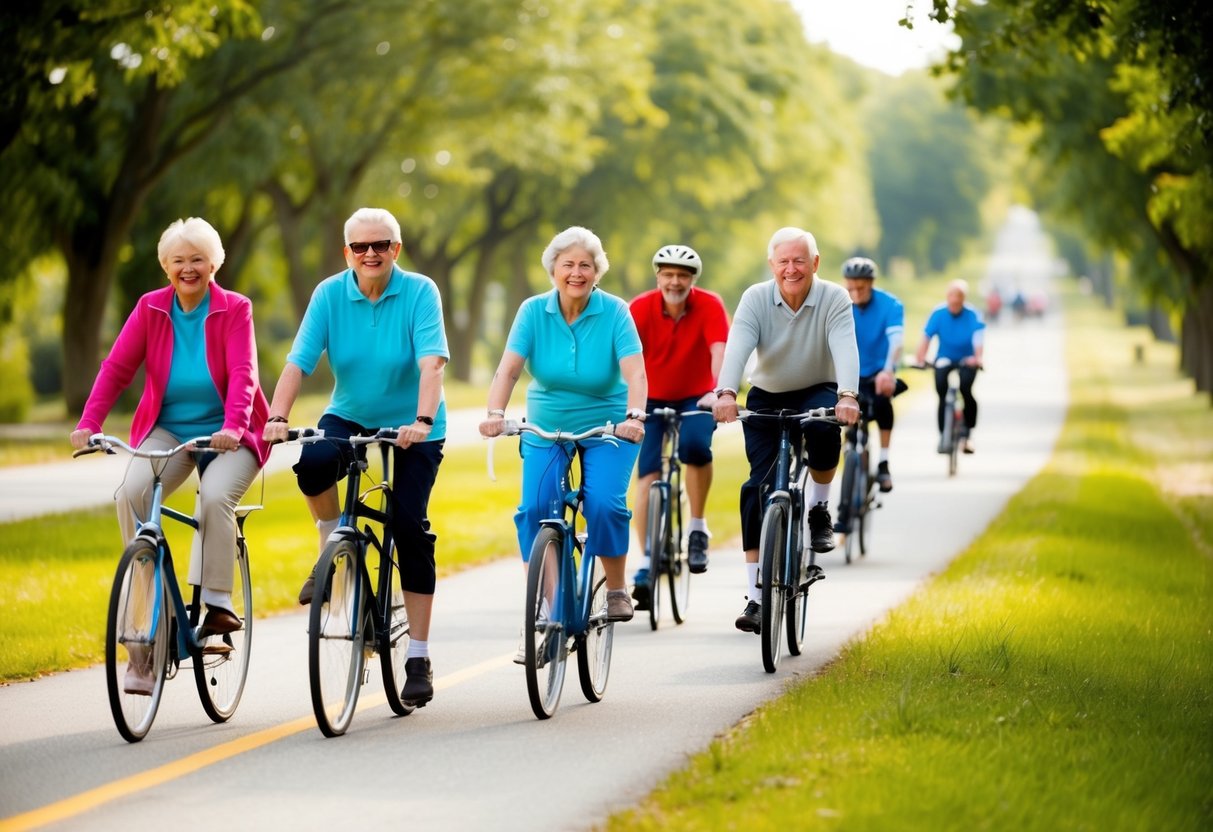
When I take my bike out for a spin, it's not just my body that gets a workout—my mind does too. Cycling's not only keeping me engaged mentally but also creating social connections. Here's how it's making a difference for me and others in our group rides.
Cognitive Benefits: From Memory to Cognitive Function
Cycling doesn't just keep me physically active; it's great for my brain health too. Every ride boosts blood flow to the brain, which helps me stay sharp and may slow down cognitive decline. I've noticed that remembering routes and planning my rides often feels like a workout for my memory.
I feel mentally fresh after a ride, and it seems to improve my attention span. Studies suggest that regular cycling can protect against memory loss. It also may enhance cognitive function by keeping my mind alert and focused. When I'm cycling, I'm not just moving; I'm engaging my brain in ways that are beneficial.
The Social Side of Cycling: Clubs and Community
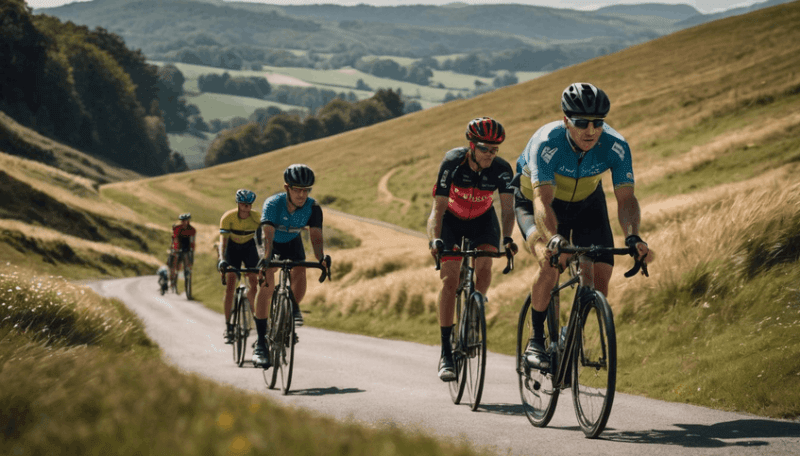
Joining a cycling club has done wonders for my social life. The camaraderie among fellow cyclists is something I look forward to weekly. It's nice to meet others who share my love for biking and to be part of a community.
Riding together creates countless chances for social interaction. It's easier to bond when we're all pushing through those hills or enjoying a scenic route. These social opportunities also contribute to my mental well-being. Participating in group rides means I'm never short of people to talk to, which is great for boosting my mood and immunity.
Embracing the Cycling Lifestyle for Longevity
Making cycling a regular part of my life gives me many rewards. These include improving heart health, managing weight, and joining charity rides to stay active and socially connected.
Incorporating Cycling Into a Routine for Senior Cyclists
Cycling can be a fun and easy way to stay fit. I find it helps with weight management and reduces my risk of heart disease. Starting a new routine can be simple. I aim for 20-30 minutes of riding, most days of the week.
To keep things interesting, I sometimes try interval training. It's where I mix short, fast sessions with slower ones. This helps with bone health and makes my rides more challenging.
I like to track my progress. Using apps or fitness trackers can be motivating. They help me see improvements over time, like better speed or longer rides.
Benefits Beyond Exercise: Charity Rides and Community Events
Cycling is more than just exercise. Participating in charity rides lets me give back while staying active. These events often support important causes, which adds meaning to my rides.
I get to meet other senior cyclists and share stories about healthy aging. Community events, like age group road racing or time trials, encourage friendly competition.
Joining these activities boosts my mood and keeps my social life vibrant. The sense of achievement and belonging makes every pedal stroke worthwhile.
DISCLAIMER
This document is provided for general information purposes only and should not be relied upon as providing legal advice, technical, or specific operational guidance to the reader, whether as to the practices described in the document or the applicable legal requirements and regulations. Seniortrikes.com expressly disclaims any responsibility for liability arising from or related to the use or misuse of any information in this document.