Maintaining Your Electric Trike: Simple Care Tips for Long-Lasting Performance
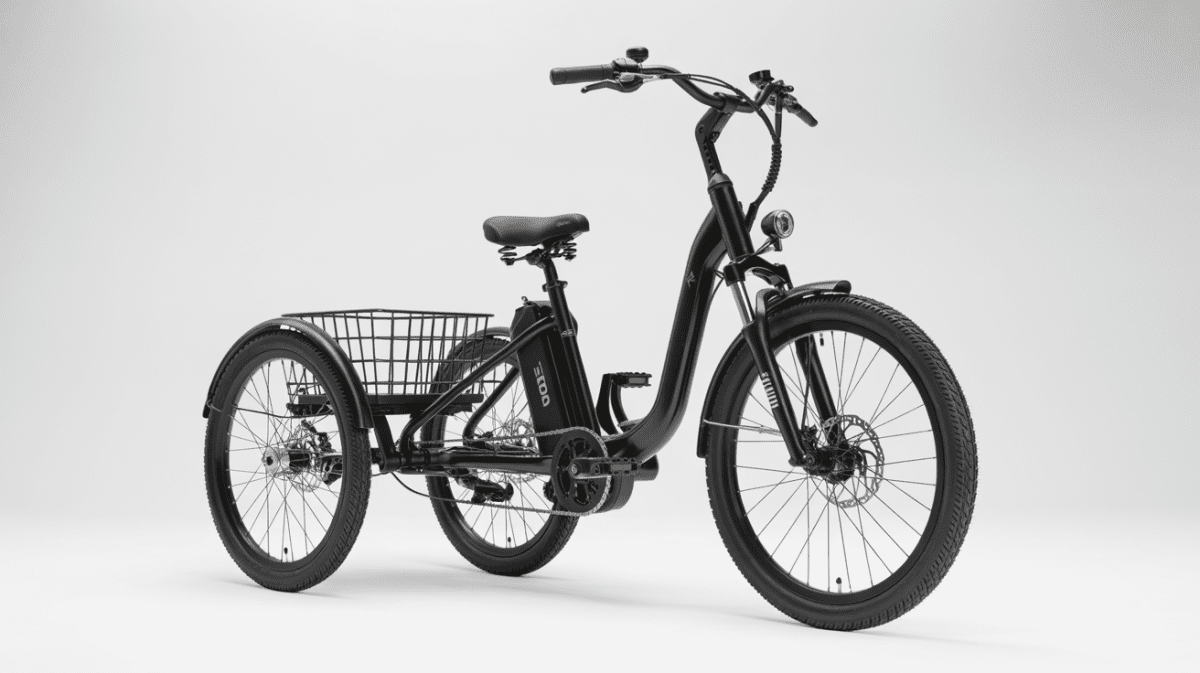
Owning an electric trike means you get a smooth, comfy ride, but keeping it in good shape takes a bit of simple care. With a few easy habits, we can keep our electric trike reliable and running like new for years.
Regular care stops breakdowns and keeps every part working well.
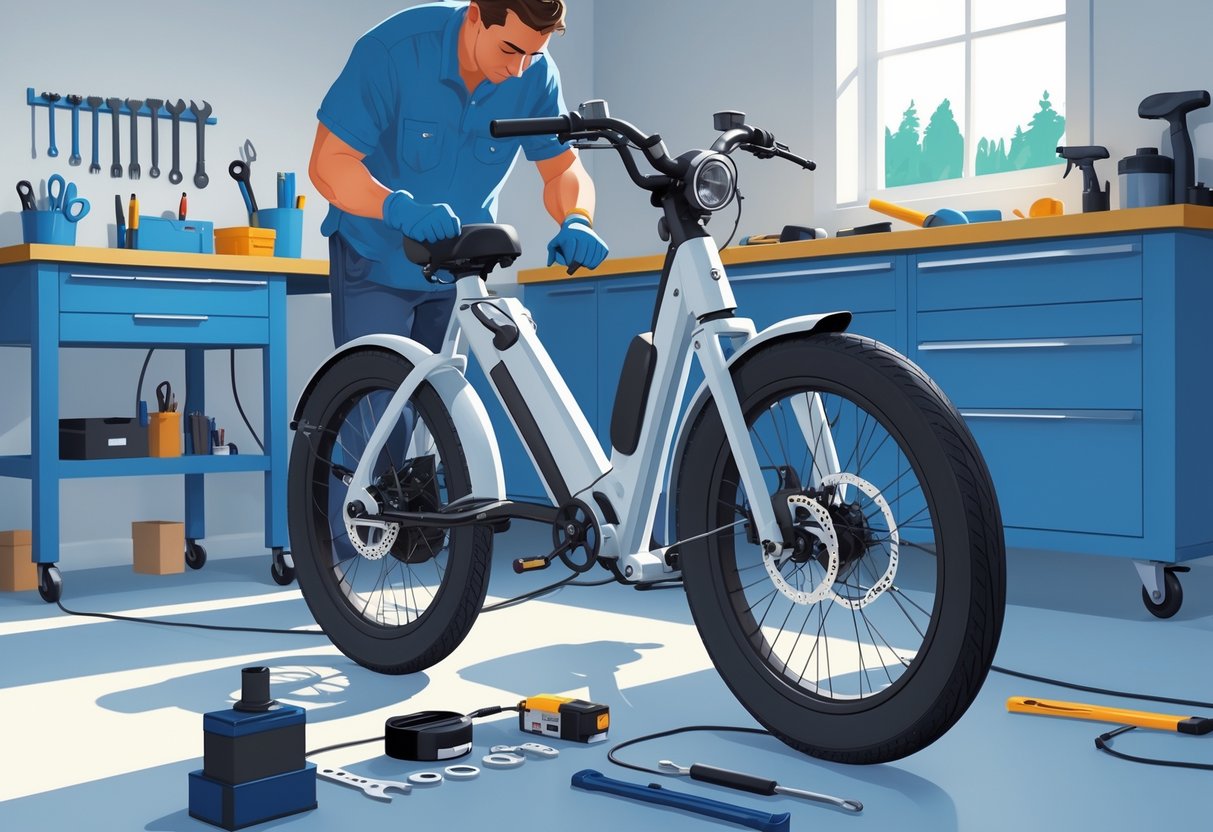
Looking after the battery, tires, brakes, and electrical system doesn't have to be hard or take forever. Small things, such as charging the battery correctly, checking tire pressure, and cleaning moving parts, can significantly boost performance.
Knowing when to call in a pro also helps keep our trike safe and efficient.
Key Takeaways
- Regular maintenance keeps our electric trike safe and reliable.
- Proper battery care and tire checks improve performance.
- Simple cleaning and timely professional servitrike'snd the trike’s life.
The Importance of Regular Electric Trike Maintenance
When we keep our electric trike in good shape, we avoid surprise breakdowns and save money on repairs. Plus, every ride feels safer and more comfortable.
Paying attention to signs that our trike needs care lets us act early and keep things running smoothly.
Benefits of Following a Maintenance Schedule
Sticking to a regular maintenance schedule helps us catch small problems before they become major issues. For example, checking tire pressure weekly helps avoid rapid wear and unsafe handling.
Taking care of the battery—charging it correctly and storing it in a cool place—makes it last longer. That means more rides and fewer replacements.
We also inspect the brakes each month, checking the pads and cables. This way, we can stop safely, even on hills or busy roads.
Cleaning the frame and electrical parts helps prevent rust and ensures that lights and signals function properly.
Having a maintenance plan reduces repair bills and keeps our trike ready for daily use—whether for commuting or just getting out and about.
Common Signs Your Electric Trike Needs Attention
Some signals are easy to spot when our electric trike needs a little TLC. doesn'tnotice the battery doesn't last as long orthat's forever to charge, that's usually a warning.
A bumpy or unstable ride may indicate low tire pressure, worn tires, or a malfunctioning suspension. And squeaky brakes or slow stopping? Time to check pads or cables.
Other things, such as loose bolts or a flicshouldn'tadlight, are safety risks that we shouldn't ignore. Catching these early helps us avoid bigger problems down the road.
Battery Care for Optimal Performance
The battery is the heart of our electric trike. If we treat it right—charge it properly, avoid overcharging, and store it well—it'll last longer and keep us rolling. It's Per Charging Techniques and Battery Lifespan
It's best not to let the battery drain completely before charging. Keeping it between 30% and 80% most of the time slows down battery wear.
Every five or six cycles, we can charge it to 100% to balance the cit's. We should stick with the original charger, as it's specifically designed for our battery.
Fast chargers may seem tempting, but they can overheat the battery and reduce its lifespan. Always plug the charger into the wall first, then connect it to the battery.
Charging in a dry, breezy spot is safer. After a ride, let the battery cool for about 30 minutes before plugging it in—heat is not its friend.
Avoiding Overcharging and Deep Discharge
If we leave the battery on the charger afteit's hits 100%, it can overcharge and lose health over time. Unplug it once it's full.
Running the battery down to zero (deep discharge) stresses it and accelerates its wear and tear. Charging around 30% is better.
If the battery swells up or takes too long to charge, that's a red flag. It's probably time to replace it. Using a damaged battery is risky and just not worth it.
Storing Your Battery in Different Seasons
If we're storing the battery for weeks or months, keep the charge between 30% and 60%. Leaving it full or empty for too long can hurt it.
Temperature matters a lot. Ideally, store the battery at a temperature of approximately 20°C (68°F). Too hot—like a car in summer—or freezing temps below 0°C (32°F) can do permanent damage.
Pick a dry, cool spot for storage. Moisture can corrode the battery. Every few months, check the charge and top it up if it drops too low.
Tire Pressure and Condition Management
Good tires mean a safer, smoother ride. Keeping an eye on tire pressure and wear helps us avoid flats and ensures the trike runs smoothly.
Checking and Maintaining Tire Pressure
Tire pressure changes how the trike handles and even affects battery life. We should check it before every ride with a reliable tire.
Most fat tire electric trikes do well at around 17-20 PSI, but the range is usually 5 to 30 PSI. If we're carrying heavy stuff, bump up the pressure a bit.
Pressure fluctuates with temperature, so adjust it as the seasons change. Lower pressure helps grip rough roads, but it also drains the battery faster. Higher pressure is better for smooth roads and longer rides.
Carrying a portable pump and gauge makes it easy to maintain the perfect pressure, especially on long trips.
Identifying Wear and Replacing Tires
Checking tires regularly saves us from nasty surprises. Inspect the tread for cracks, cudon'tr bald spots.
If you notice uneven wear, flat spots, or the tread is nearly worn out, it's time to replace them. Worn tires don't grip the road well and are more likely to develop flats.
Big daIt's, swelling, or almost no tread left? Definitely replace them for safety.
Inspect the tires at least once a month or before long rides. It's a quick step that keeps us rolling safely.
Brake System Checks and Adjustments
Regular brake checks keep our trike safe and responsive. We inspect the brake pads and other components; everything functions smoothly, with no rubbing or slipping.
Inspecting Brake Pads and Components
First, check the brake pads. If they're thinner than 1 mm or appear uneven, replace them. Worn pads can damage the shoulder, which shouldn't make stopping more difficult.
Take a look at the calipers, cables, and bolts as well. Calipers should be tight and undamaged, and cables shouldn't be frayed. Loose bolts or worn parts can cause weird braking or noise.
To spot problems, lift the trike and spin the wheels. Listen for rubbing or feel for rough spots. Cleaning away dirt from the brake area helps keep things working right.
Adjusting and Maintaining Brake Responsiveness
To adjust the brakes, start by loosening the caliper bolts so they can move freely. Squeeze the brake lever to center the don'ter over the rotor, then tighten the bolts while keeping the lever in place.
Adjust the pads next. Turn the inner pad dial to move it closer to the rotor, but don't touch unless you're braking. Fine-tune the outer pad using the barrel adjuster near the lever.
Tesit's brake lever travel. It should feel firm, and you shouldn't have to pull it too far to stop. If things still feel off, tweak the pads and caliper again until it's right.
Electrical and Motor System Upkeep
Caring for the electrical parts and motor keeps our electric trike running smoothly and trouble-free. We focus on keeping wires and contacts clean and tight, and we check the motor and connections to avoid problems.
Keeping Electrical Contacts and Wiring Clean
Start by checking all wiring for cracks or frays. If you spot damage, fix or replace it right away—bad wires can cause shorts or power loss.
Clean electrical contacts gently with a dry cloth or a contact cleaner made for electronics. Skip water or harsh chemicals; those can cause corrosion or shorts.
Ensure all connectors are plugged in securely. Loose connections can cause unusual performance or sudden power outages during a ride.
Checking these parts periodically helps prevent electrical issues and keeps the trike reliable.
Maintaining the Motor and Connections
Inspect the motor housing for dirt, dust, or debris that could block cooling or cause overheating. Use a soft brush or cloth to clean it, but avoid getting moisture near sensitive parts.
Verify that the wires leading to the motor are secure and not rubbing against any sharp or moving objects.
If the motor sounds unusual or loses power, refer to the manual for troubleshooting tips. Sometimes, simply resetting the controller or tightening the connections resolves the issue.
Taking care of the motor and connections saves us from big repair bills and keeps the trike running well.
Cleaning, Lubrication, and Frame Care
To keep our electric trike running its best, we need to clean it, keep it lubricated, and check the frame regularly. These steps help protect important components from damage and wear, resulting in improved performance and a safer ride.
Cleaning Without Damaging Electrical Parts
When cleaning our electrical equipment, it is essential to keep water away from the electrical components. I like to start by using a soft brush or cloth to remove any dirt from the frame and wheels gently.
After that, I gently wash the frame with warm, soapy water and a sponge. I’m careful not to soaI 'mhe battery, motor, or any wiring—no one wants a fried circuit.
I’ll rinse everything with a light stream of water and dry the e-trike off with a clean cloth; sometimes, I just let it air dry if I’m feeling patient. Ptrike's washers? Nope, too risky. That force can disrupt connections quickly.
If I run into stubborn grime, I reach for a bike-specific cleaner or degreaser. Those get the job done without putting my trike’s sensitive parts in danger.
Lubricating Moving Components
Lubrication keeps things moving smoothly and reduces wear. I always focus on the chain, gears, brake cables, and bearings—these are the spots that matter most.
For the chain and gears, I clean off old gunk first, then apply a light layer of suitable bike lubricant. Honestly, regular lube stops rust and really helps everything last longer.
Brake and shifter cables need a few drops of lubricant inside to keep them functioning properly. I also make sure to grease the wheel hubs and headset to reduce friction.
I stick with bike-specific lubricants and choose one that matches the weather conditions—wet or dry. It makes a significant difference, especially if you ride frequently.
Inspecting and Protecting the Frame
A solid frame keeps our electric trike safe and steady. I regularly inspect bolts, joints, and welds for any signs of loosening or cracking.
Loose bolts can affect handling and even cause parts to wear unevenly. If my e-trike has a canopy or cargo area, I always look for rust or damage there as well.
Touching up paint chips helps keep rust at bay and keeps things looking sharp. I throw on a protective cover when I’m not using the trike—dust, moisture, and sun can do real damage if you let them.
Professional Servicing and Long-Term Reliability
When to Schedule Professional Maintenance
I try to book professional servicing at least once a year, especially if I ride often or haul heavy stuff. If I hear unusual noises, notice a decrease in motor power, or receive error messages on the display, it’s time for a checkup.
A good technician will inspect the motor, brakes, and wiring—things I might overlook. I usually schedule a check before winter stocking rolls around.
Pros have the right tools to tighten bolts, adjust brakes, and inspect electrical parts safely. It’s worth it for the peace of mind.
Warranty Considerations and Record-Keeping
Following the manufacturer’s service schedule helps me get the most from my trike’s warranty. I keep records of all pro maintenance and repI'ms—dates, what was done, and any parts swapped out.
If I ever need to file a warranty claim, having proof of regular maintenance can expedite the process. I jot it down in a notebook or save it as a digital file so I’m not scrambling later.
Frequently Asked Questions
How often should I perform maintenance checks on my electric trike?
I check tires, brakes, and the battery every month or before a long ride. A quick look-over each week helps me spot little problems before they become big ones.
I perform deeper checks, such as tightening bolts and cleaning parts, every few months.
What are the best practices for battery care to maximize lifespan?
Charging between 20% and 80% seems to help batteries last. I avoid driving a truck totally or topping it off too much.
I store my trike in a cool, dry spot and let it cool down before charging after a ride. That helps prevent overheating.
What steps can I take to prevent wear and tear on my e-trike's tires and brakes?
I check tire pressure monthly and keep it at the recommended PSI. I also look for cracks or worn tread and replace tires when they’re worn out.
For brakes, I test how responsive they feel and listen for any screeching. If the brake pads get thin, I replace them—no sense risking safety.
Can you provide tips for cleaning and lubricating the moving parts of my electric trike?
I use a damp cloth for cleaning, making sure to avoid spraying water on electrical bits. I wipe down the frame, wheels, and battery case, then dry everything well.
WI'llI lube the chain and other moving parts, I use the right lubricant and try not to get oil on the brakes.
How can I troubleshoot common electrical issues with my e-trike?
I check for live wires or exposed wiring first. I’ll use protective sprays on electrical parts to keep moisture and dirt away.
If the motor loses power, I check the battery charge and wiring before calling in a professional. Sometimes it’s a simple fix, sometimes not—but it never hurts to check the basics first.
What should I include in a basic maintenance toolkit for my electric trike?
Our tool kit should have a tire pressure gauge, a multitool with screwdrivers and wrenches, and some lubricants.
Don’t forget cleaning cloths, plus a spare inner tube or a patch kit. Trust me, you’ll thank yourself later if you ever get a flat.
DISCAIMER
This document is provided for general information purposes only and should not be relied upon as providing legal advice, technical, or specific operational guidance to the reader, whether as to the practices described in the document or the applicable legal requirements and regulations. SeniorTrikes.com expressly disclaims any responsibility for liability arising from or related to the use or misuse of any information in this document.