Best Helmets and Safety Gear for Senior Electric Trike Riders: Comprehensive Guide
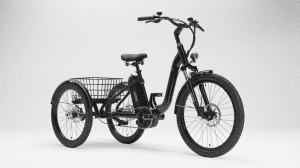
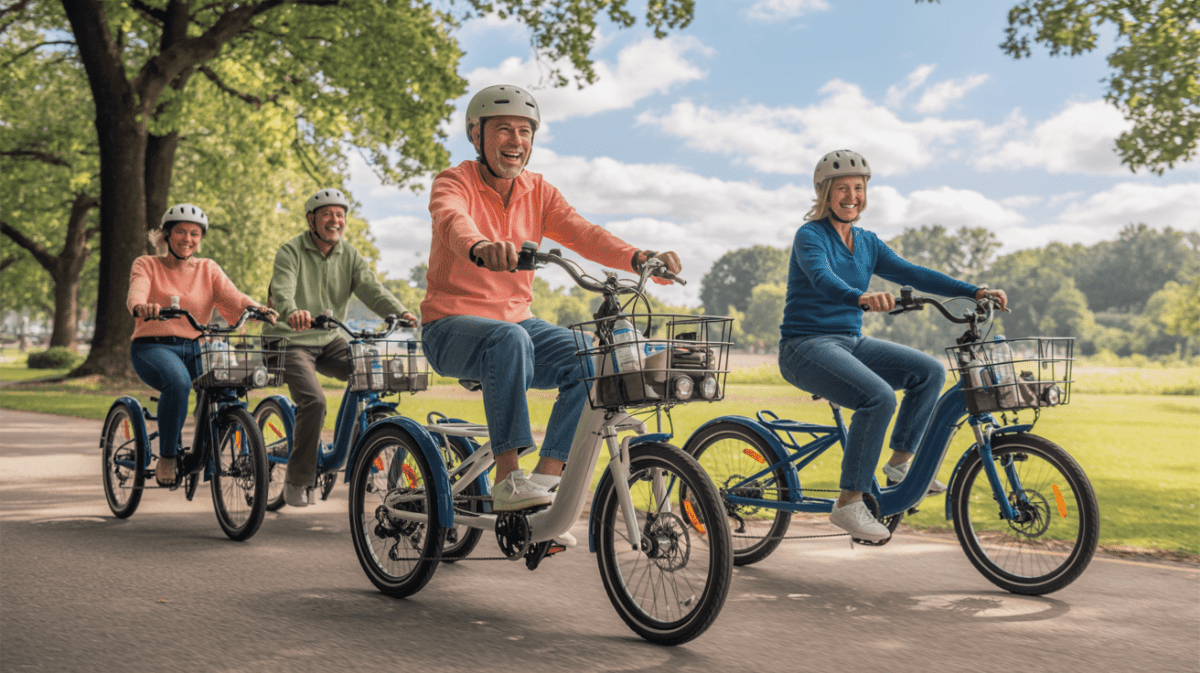
Electric trikes have become a popular choice for seniors seeking to enjoy cycling with increased stability and comfort.
Even with three wheels, which offer better balance than regular bikes, safety gear remains crucial to protect against falls, road hazards, and traffic incidents.
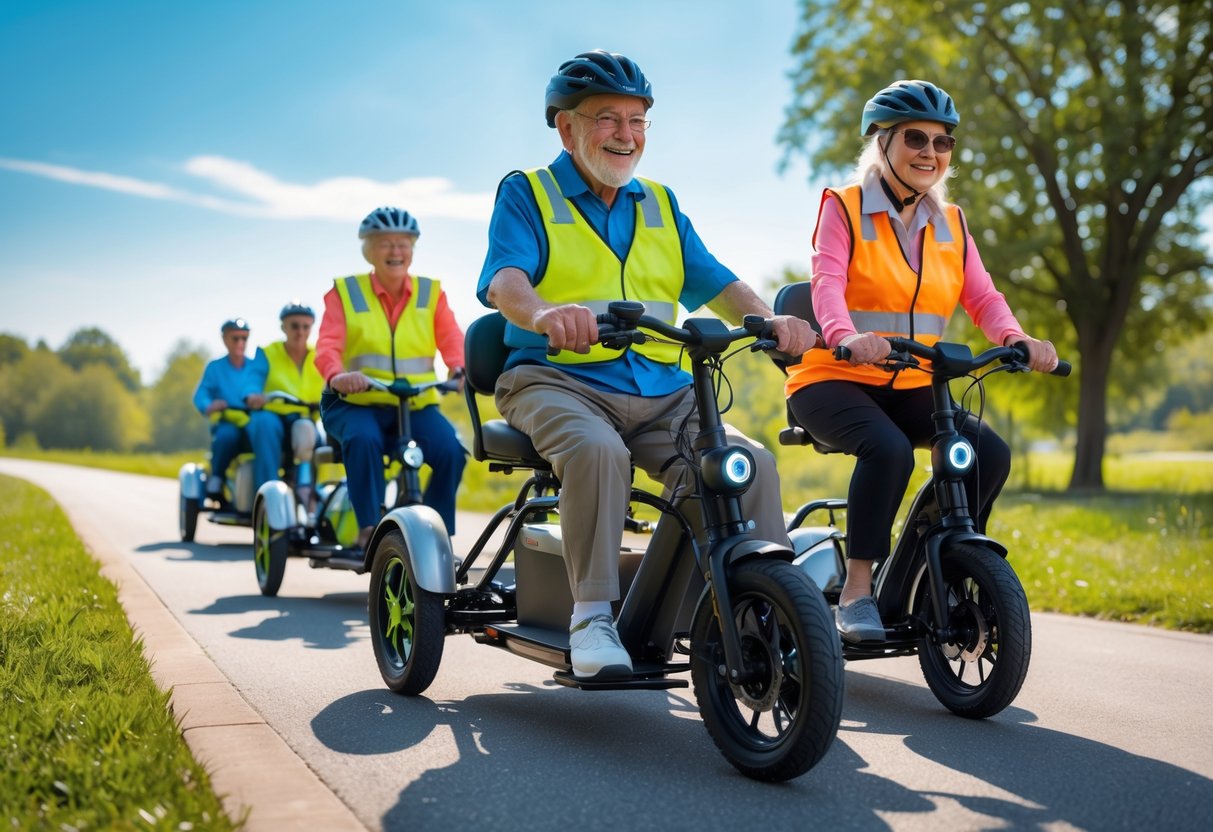
A properly fitted helmet is the most important safety equipment for senior electric trike riders, as it protects against head injuries in the event of falls or collisions.
Beyond helmets, it's wise to consider additional protective gear, such as gloves, reflective clothing, and good lighting, to enhance safety on the road.
Electric trikes can reach higher speeds than regular bikes, so quality safety equipment is crucial.
I've researched the top helmets and safety accessories designed for senior riders, prioritizing comfort, ease of use, and reliable protection.
This guide should help you pick the right safety gear so your electric trike rides stay fun and safe.
Key Takeaways
- A well-fitted helmet meeting safety standards is essential protection for senior electric trike riders.
- Additional safety gear, like gloves, reflective clothing, and lights, significantly improves rider safety.
- Proper fit, comfort features, and regular maintenance are essential factors to consider when selecting safety equipment.
Why Helmets and Safety Gear Matter for Senior Electric Trike Riders
Senior riders deal with different physical challenges than younger cyclists.
Electric trikes can reach speeds up to 20 mph, so protective gear is essential to prevent serious injury. Safety equipment can even impact insurance coverage and legal requirements in certain areas.
Unique Safety Challenges for Seniors
I've noticed that riders over 60 face specific risks that make helmets and safety gear even more important. Balance changes come with age, and even with three wheels, you can still fall during mounting, dismounting, or quick stops.
Slower reaction times mean you might not protect yourself fast enough during a fall. Your head often takes the brunt of the impact.
Bone density decreases with age. A fall that bruises a 30-year-old can cause fractures in seniors. Hips, wrists, and skulls become more susceptible to fractures.
Medication effects can’t be ignored. Blood thinners make head injuries riskier. Meds for blood pressure or diabetes sometimes cause dizziness or confusion while riding.
Vision and hearing changes make it tougher to spot hazards. You might not see loose gravel or other riders sneaking up from behind.
Injury Prevention and Risk Reduction
A proper helmet reduces the risk of head injury by 85% during crashes. I suggest MIPS-certified helmets—they help with angled impacts and rotational forces.
Electric trikes can go 15-20 mph. At those speeds, a fall onto pavement can cause serious brain injuries. Traumatic brain injuries in seniors often lead to longer hospital stays and lasting disabilities.
Reflective gear and bright colors help drivers see you. Many senior trike accidents happen because drivers just don’t notice the rider. A bright helmet with reflective strips really helps.
Knee and elbow pads protect your joints during side falls. I’ve seen riders avoid broken bones just by wearing simple pads.
Proper footwear keeps your feet safe and helps with pedal control. Closed-toe shoes with good grip help you stop safely and protect your toes during dismounts.
Legal and Insurance Considerations
Many states require helmets for electric bike riders traveling at speeds exceeding certain thresholds. California, Florida, and New York have their own laws regarding e-bike helmets. Always check local regulations before riding.
Insurance companies sometimes reduce coverage for injuries if you weren’t wearing safety gear. Medicare may deny claims for preventable head injuries if you did not wear a helmet.
Some homeowner’s insurance policies cover e-bike accidents. But not wearing proper safety gear can void that coverage. It’s worth checking with your insurance agent about specific requirements.
Liability issues come into play, too. If you cause an accident while riding unsafely, your insurance may not cover all damages. Wearing the right gear shows you took reasonable precautions.
Choosing the Best Helmets for Senior Electric Trike Riders
A good helmet can reduce the risk of head injury by up to 85% in trike accidents.
Senior riders require helmets that balance protection and lightweight comfort, with features that enhance visibility.
Top Helmet Types and Features
Traditional bike helmets work well for most senior trike riders. These lightweight options typically weigh 8-12 ounces and provide adequate ventilation.
MIPS-certified helmets offer extra protection during angled impacts. The Multi-directional Impact Protection System helps reduce rotational forces on your brain during a fall.
Extended coverage helmets protect more of the back and sides of your head. That matters for trike riders, who might fall at lower speeds than traditional cyclists.
Key safety certifications include:
- CPSC (required in the US)
- SNELL (higher impact standards)
- EN 1078 (European standard)
Pick helmets with reflective elements or bright colors. Yellow, orange, and white make you easier to spot.
Skip used helmets or any helmet over five years old. The foam breaks down and loses its protective punch over time.
Fit and Comfort Considerations
Your helmet should sit level, not tilted back. The front edge should be about a finger’s width above your eyebrows.
Sizing matters more than brand. Measure your head just above your ears. Most helmets fit heads with a circumference of 21-25 inches.
Adjustment systems make it easier to get a secure fit. Look for dial systems at the back instead of just basic straps.
The chin strap should form a “V” under each ear. You should fit one finger between the strap and your chin.
Weight matters if you have neck issues. Helmets under 10 ounces put less strain on your neck during long rides.
If possible, try on helmets in person. Comfort varies a lot between brands and head shapes.
Ventilation and Visibility
Ventilation holes help prevent overheating on hot days. Go for at least 12-15 vents for good airflow.
Internal air channels direct air through the helmet more effectively than simple holes. This helps keep you cool.
Visor attachments block sun glare. Some helmets have removable visors or let you add them later.
Reflective tape can be applied to any helmet for added visibility. Apply stick strips to the back and sides for best results.
LED light attachments fit many helmets. These flashing lights make you stand out to drivers from far away.
If you ride in cold weather, avoid helmets with too many vents. Look for models with vent covers you can close up.
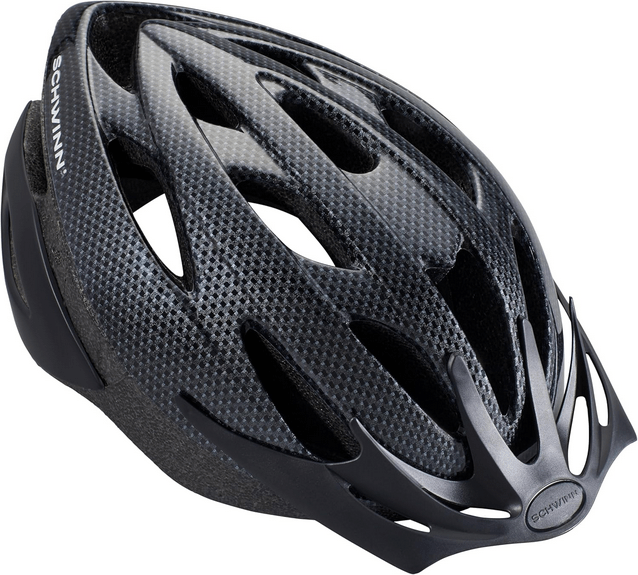

Senior-Friendly Helmet Technologies
Magnetic buckles beat old-school plastic clips. They’re easier for riders with arthritis or stiff fingers.
BOA dial systems let you adjust the fit with one hand. Just turn the dial—no fumbling with straps.
Crash replacement programs from brands like Giro and Specialized offer discounts on new helmets after a crash.
MIPS technology costs a bit more but really helps for the kinds of falls you might have on a trike.
Sweat-wicking padding keeps moisture away from your head. Removable, washable pads are great for easy cleaning.
Ponytail-compatible designs work for seniors with longer hair. These helmets have a notch or an adjusted back section for your hair.
Smart helmets with turn signals and brake lights are available, but they’re heavier and more complex than most seniors want or need.
Essential Safety Gear Beyond Helmets
Protective gear isn’t just about helmets.
Eyewear shields your eyes from wind and debris, gloves maintain a strong grip and reduce fatigue, and padding cushions your joints in case of a fall. These accessories work together to add layers of protection for senior riders.
Protective Eyewear Options
I recommend wraparound safety glasses or goggles for electric trike riders. Wind at 15-20 mph can cause your eyes to water and blur your vision, making it harder to spot obstacles or read traffic signs.
UV protection is a must for outdoor rides. Look for glasses that block 100% of UV-A and UV-B. This helps prevent long-term sun damage to your eyes.
Clear lenses work best most days. Yellow-tinted lenses boost contrast on overcast days. I’d avoid dark sunglasses—they can make it tough to see in the shade or under trees.
Anti-fog coating keeps your glasses from steaming up when you stop. That’s important for seniors who might need to pause more often.
Side shields or wraparound styles block wind from the sides. This helps reduce eye strain and keeps debris out, especially near construction or gravel paths.
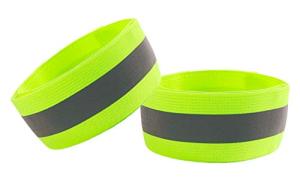
Reflective Bands for High Visibility Cycling and Running
Increase your safety on the road with these reflective bands designed for high visibility during both cycling and running
Product information
$6.99 $5.99
Product Review Score
4.55 out of 5 stars
98 reviewsProduct links
Gloves for Grip and Comfort
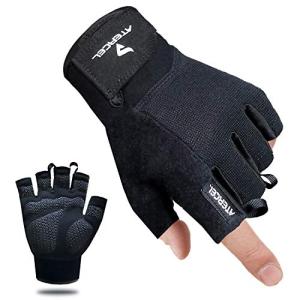
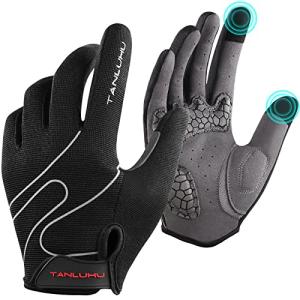
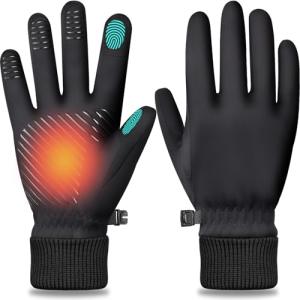
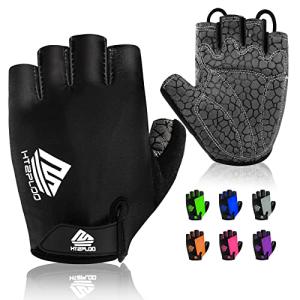
Padded cycling gloves take pressure off your palms and fingers. This helps prevent numbness on rides longer than 30 minutes, and the padding absorbs road bumps.
Fingerless gloves give you better control of your brakes and shifters. Full-finger gloves protect more, but can make it harder to move your fingers if you have arthritis.
Find gloves with silicone grip patches on the palms. These stop your hands from slipping, even if they get sweaty or wet.
Breathable mesh or moisture-wicking fabric keeps your hands dry and helps prevent blisters.
Wrist support in some gloves can help seniors with weak wrists keep better control. That’s especially useful if you’ve had wrist injuries or joint problems in the past.
Knee and Elbow Pads
Lightweight knee pads help protect against scrapes during low-speed falls. Senior riders typically fall sideways rather than forward, so knee protection is crucial to maintain stability.
Low-profile pads slip under regular pants and don’t look bulky. Hard-shell designs offer greater protection but can be uncomfortable for daily wear.
Elbow pads help prevent serious injuries to your arms when you fall. They're especially useful for seniors on blood thinners, as bruising tends to worsen.
Adjustable straps keep pads in place without being too tight. I’d look for neoprene or fabric—they breathe better than rigid plastic.
Some folks prefer compression sleeves with padding instead. These provide joint support and basic protection during falls without the bulk.
Additional Electric Trike Safety Accessories for Seniors
There’s more to safety than just helmets. A few key accessories really make a difference for senior electric trike riders.
High-visibility gear keeps you seen, mirrors and lights help you stay aware, and good footwear prevents slips.
High-Visibility Clothing and Reflective Gear
Bright clothing and reflective materials help drivers and cyclists spot you more easily. I usually choose fluorescent yellow, orange, or green for daytime rides.
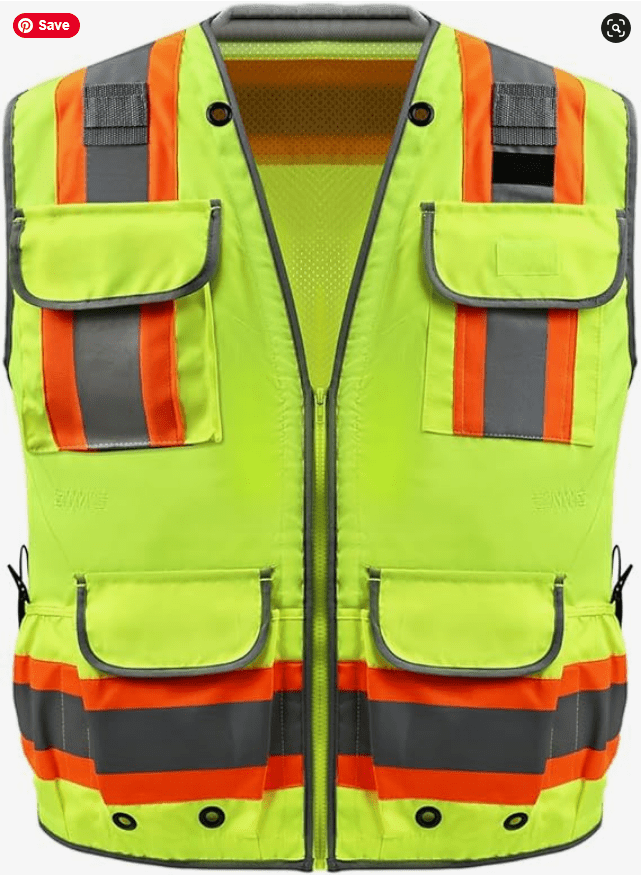
Reflective vests give maximum visibility. Select vests with wide, 360-degree reflective strips—at least 2 inches across, if possible.
Reflective tape on your trike adds extra pop without needing new clothes. Apply white tape to the front and red to the back, and apply some to the frame, wheels, and rear basket.
Many seniors prefer LED armbands or clip-on lights for evening rides. These battery-powered accessories flash or stay solid and clip right onto your clothing or bag. Change the batteries every few months to avoid being caught in the dark.
Safety flags on tall poles help drivers see you sooner. Go for bright colors like orange or yellow. Mount the flag at least 6 feet above the ground so it stands out on busy roads.
Mirrors and Lighting Solutions
Dual mirrors give you a full rear view, so you don’t have to twist your neck. That’s a big deal if you’ve got neck or shoulder stiffness.
Bar-end mirrors attach to your handlebars and give a wide, steady view. I’d put one on each side for best coverage, then adjust so you can spot traffic coming up behind.
Helmet mirrors are a solid choice if you don’t want anything on your trike. These tiny mirrors clip onto your helmet or glasses and move with your head as you turn.
Lighting isn’t just about front and rear anymore. Daytime running lights help others see you even in bright sunlight. Pick lights that flash or pulse during the day.
Wheel lights provide side visibility that standard lights often miss. These LED strips attach to your spokes and create moving patterns. They’re especially handy at dawn and dusk.
Anti-Slip Footwear
The right shoes keep your feet from slipping off pedals, which can cause crashes or injuries. Wet weather makes this even more important.
Rubber-soled shoes with deep treads grip pedals way better than smooth soles. I’d skip sandals, flip-flops, or dress shoes. Athletic or walking shoes usually work best.
Non-slip pedals with raised bumps or pins grip your shoes better than smooth ones. Some even have built-in reflectors for more visibility. If your pedals get worn and slippery, swap them out.
If you have trouble keeping your feet in place, try toe clips or platform pedals. They help you keep your foot where it belongs, no special cycling shoes needed.
Keep your shoes dry and clean for the best grip. Wet or muddy soles are just asking for trouble, especially when starting or stopping.
Buying Tips and Maintenance Advice for Senior Riders
Choosing high-quality gear and maintaining it in good condition ensures your safety equipment will be there when you need it. Helmets and accessories require some care to remain effective.
How to Select Quality Gear
Pick MIPS-certified helmets for extra protection during low-speed falls. These helmets use a special liner that helps reduce rotational forces on your brain.
Go for lightweight helmets under 300 grams. Heavy ones tire your neck out on longer rides.
Key features I recommend:
- Adjustable dial-fit system for a snug fit
- Plenty of vents for airflow
- Reflective details or bright colors
- Extended coverage at the back of your head
Try on the helmet before making a purchase. It should sit level and feel snug all around, without pinching anywhere.
For mirrors, bar-end models beat clip-ons. They’re steadier and vibrate less.
Pick lights with at least 200 lumens up front and 50 for the rear. Daytime flash modes help you stand out.
Proper Maintenance and Replacement
Replace your helmet every 5 years, even if it appears to be in good condition. The foam breaks down and loses its protective punch.
If you fall or are hit, replace your helmet immediately. Cracks don’t always show, but the structural integrity could be compromised.
Monthly maintenance tasks:
- Wipe the helmet inside with mild soap and water
- Check light batteries and charging ports
- Make sure mirrors adjust smoothly
- Test your horn’s volume
Use a soft brush to clean helmet vents. Dirt clogs vents, making rides hotter than they should be.
Store your gear in a cool, dry place, away from direct sunlight. Heat and UV rays mess up plastic parts faster than you’d think.
Check that your mirrors are tight before every ride. Loose mirrors shake and blur your view, which isn’t safe.
Budget Considerations
Good helmets cost $50-150 and will last for years with proper care. Inexpensive options under $30 often lack key safety certifications.
I always spend more on my helmet than on other gear. It’s your brain, after all.
Budget breakdown for a full safety setup:
- Helmet: $75-120
- Dual mirrors: $25-40
- Front and rear lights: $40-80
- Horn upgrade: $15-30
- Total: $155-270
Shop during off-season sales in the fall or winter. Bike shops usually knock 20-30% off safety gear then.
Buy light sets instead of individual lights if possible. Bundles often cost less than buying each piece individually.
Seriously, don’t cheap out on your helmet. Saving $20 isn’t worth risking a head injury.
Replace worn-out items as soon as you notice. Dim lights or cracked mirrors put you at risk every time you ride.
Frequently Asked Questions
Senior electric trike riders have plenty of questions about helmet protection, safety ratings, and gear. Age-related factors, such as balance, vision, and comfort needs, significantly influence equipment choices compared to those of younger individuals.
What types of helmets offer the best protection for electric trike riders over 60?
I recommend MIPS-certified helmets for seniors riding electric trikes. They cut down on rotational forces during the kind of low-speed falls that happen on trikes.
Multi-impact foam helmets are better at withstanding repeated minor impacts than single-impact helmets.
Look for helmets with extra rear coverage. That’s where you need it most on three-wheelers, since backward falls are more common.
Bike helmets with added side protection work well for trike riders. The lower riding position and wider stance make that extra coverage around the temples worthwhile.
How do helmet safety ratings affect the choice of helmets for senior electric trike enthusiasts?
CPSC certification is the bare minimum I’d go for in any bike helmet. That covers electric trikes under 20 mph in most places.
MIPS technology provides an additional 10-15% reduction in brain injury risk. I’d consider that essential for seniors, especially those with slower reaction times or balance issues.
SNELL B-95 ratings provide higher impact protection than basic CPSC standards. They’re a good idea for seniors riding in traffic or on busy paths.
European CE marking is found on many quality brands. Many helmets display both CPSC and CE certifications.
What features should seniors look for in safety gear when riding an electric trike?
Lightweight helmets reduce neck strain. I’d stick to helmets under 12 ounces if you’ve got neck or shoulder problems.
Big ventilation ports keep your head cool. That’s particularly important for seniors who tend to overheat more easily.
Reflective strips or bright colors help drivers spot you. I lean toward fluorescent yellow, orange, or lime green for max visibility.
Easy-adjust straps beat complicated dials. Simple adjusters let you tweak the fit without taking off your gloves.
Magnetic buckles are a lifesaver for seniors with arthritis. They snap together quickly and pull apart with one hand.
Are there specific helmet brands recommended for senior users of electric trikes?
Thousands of helmets offer excellent visibility and a comfortable fit. Their reflective details and classic look appeal to many older adults.
Bern helmets provide good coverage and are available in larger sizes. The flip visors help block the sun.
Nutcase helmets use magnetic buckles and simple adjustments. I think they’re perfect for seniors with hand mobility issues.
Specialized helmets feature MIPS technology and senior-friendly design elements. The Align II model offers solid value and strong safety ratings.
Bontrager helmets from Trek are reliable and comfy. Their WaveCel technology is an alternative to MIPS for impact protection.
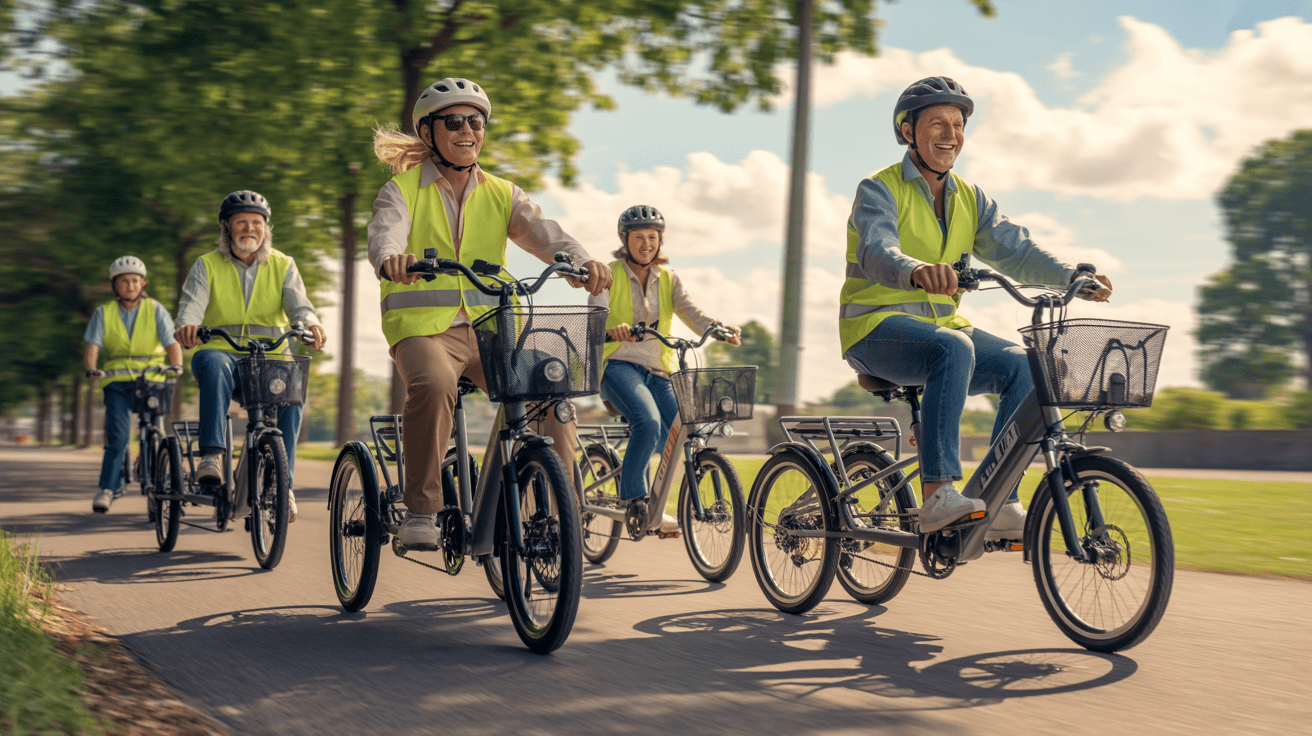
How does the style of riding affect the choice of helmets and safety accessories for elderly trike users?
For recreational paths, basic CPSC-certified helmets with good ventilation are fine. I add a flag and bell for shared trails.
Urban commuting calls for brighter colors and reflective gear. Helmets with built-in lights or clip-on LED spots are useful.
Shopping trips require helmets that are easy to put on and take off. Magnetic buckles and simple straps are best suited for multiple stops.
Long-distance rides require comfort. I look for helmets with lots of ventilation and low weight for all-day wear.
Steep hills and rough terrain? Go for helmets with top-notch impact protection. MIPS or WaveCel tech helps with higher speeds and riskier falls.
What additional safety equipment is recommended for senior citizens to use in conjunction with helmets on electric tricycles?
Dual handlebar mirrors give you full rear visibility, so you don’t have to twist your neck. I like to mount one on each side—makes it easier to spot traffic sneaking up behind me.
Bright front and rear lights help you stand out during dawn, dusk, or when clouds roll in. If you use daytime flashing modes, drivers usually notice you much sooner.
A loud horn can be particularly helpful for alerting pedestrians and cyclists on shared paths. I’d go with something that hits at least 100 decibels—traffic can get noisy.
Reflective tape on the trike frame helps people see you from all sides. I apply adhesive strips to the rear basket, fenders, and frame tubes—maybe a little overkill, but better safe than sorry.
Safety flags that reach 5 or 6 feet high tend to catch a driver’s eye in parking lots and intersections. I’ve found that orange or fluorescent colors show up best.
Protective padding for elbows and knees can reduce your risk of injury if you fall. Go for lightweight pads that don’t make riding awkward or stiff.
DISCAIMER
This document is provided for general information purposes only and should not be relied upon as providing legal advice, technical, or specific operational guidance to the reader, whether as to the practices described in the document or the applicable legal requirements and regulations. SeniorTrikes.com expressly disclaims any responsibility for liability arising from or related to the use or misuse of any information in this document.