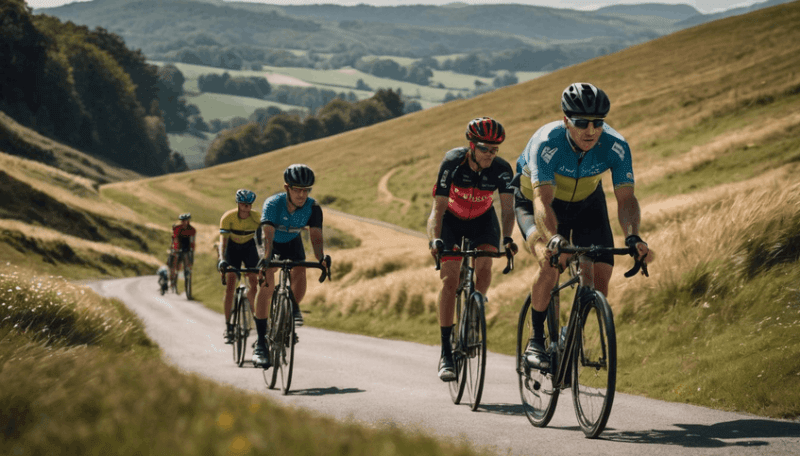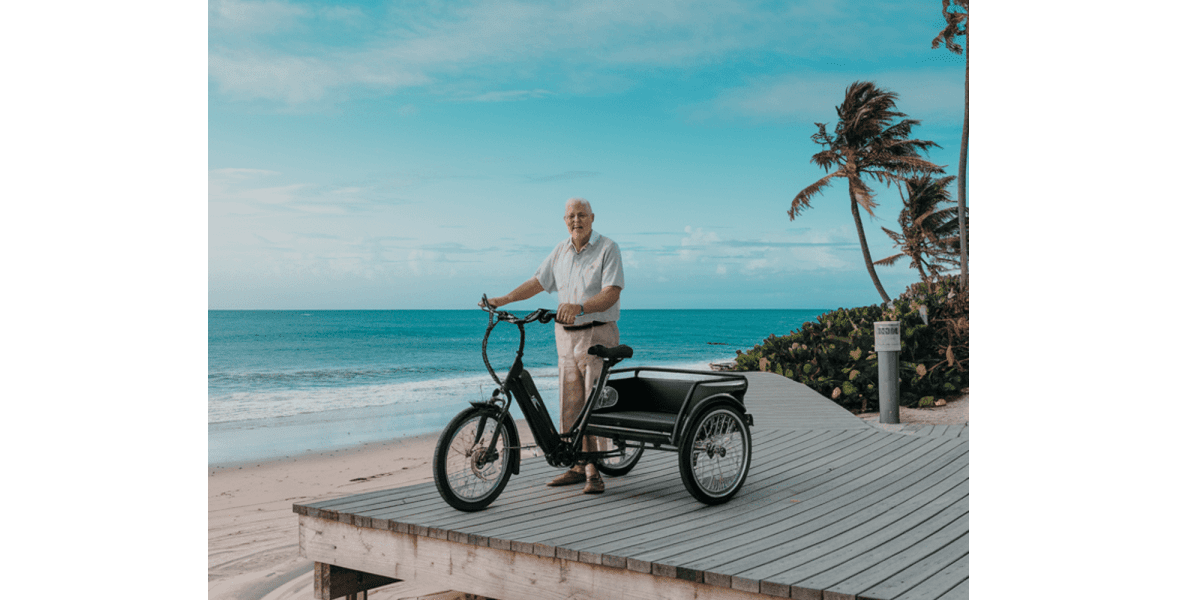
Cycling at 60 years of age can be a rewarding and health-promoting activity. It offers numerous benefits, such as improved cardiovascular health, stronger muscles, and enhanced mental well-being. Many people discover that cycling can be adapted to their fitness levels, making it an accessible option for maintaining an active lifestyle later in life.
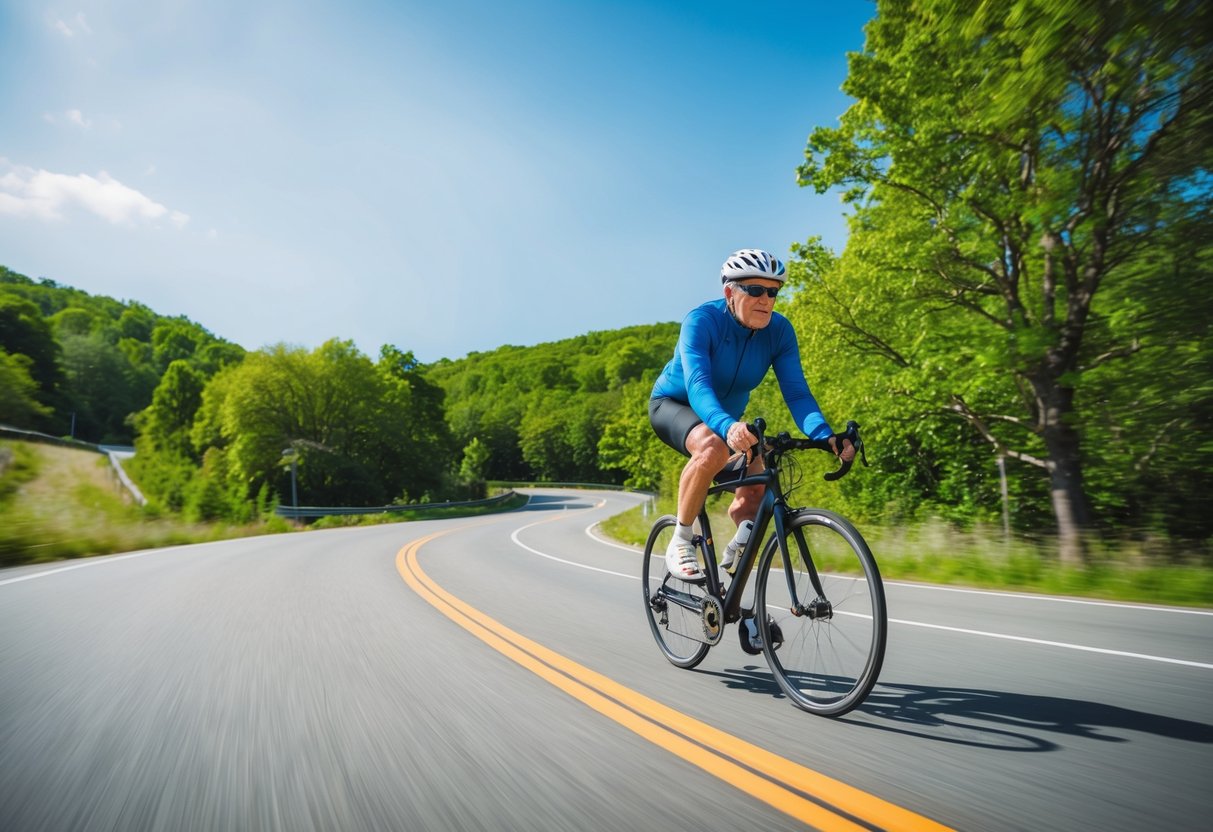
As individuals approach this age, setting realistic goals and choosing the right equipment become crucial steps. Understanding personal limits, along with the importance of proper gear, helps in creating a safe and enjoyable riding experience. Incorporating complementary exercises also supports cycling by improving strength and flexibility.
With health considerations in mind, cycling can be a fantastic way to stay active and engaged. Adapting to changes in the body and consulting with healthcare professionals ensures a positive experience on the bike.
Key Takeaways
- Cycling improves physical and mental health for those over 60.
- Setting achievable goals and using proper equipment enhances safety.
- Regular cycling, paired with other exercises, leads to better overall fitness.
The Benefits of Cycling at an Advanced Age
Cycling provides numerous advantages for seniors, playing a vital role in their fitness and health. Engaging in regular cycling can significantly improve cardiovascular health, help maintain muscle strength, and support mental well-being.
Boosting Cardiovascular Fitness
Cycling is an excellent form of aerobic exercise for older adults. It increases heart rate and improves overall cardiovascular fitness. As individuals age, maintaining heart health becomes crucial. Studies show that seniors who cycle regularly experience better circulation and reduced risks of heart disease.
Moreover, cycling is low-impact, which means it puts less stress on joints compared to other aerobic activities, like running. This makes it a suitable option for those with arthritis or joint pain. Regular cycling can also lead to lower blood pressure and improved cholesterol levels, further enhancing heart health.
Maintaining Muscle Mass and Strength
Aging often results in loss of muscle mass, which can impact mobility and independence. Cycling helps counteract this decline by promoting strength in the legs and core. Resistance from pedaling builds muscle, helping seniors maintain strength.
According to research, seniors who cycle see improvements in muscular strength and power. This is especially important for activities of daily living, like climbing stairs or lifting objects. Regular cycling also promotes better balance and coordination, reducing fall risks and injuries.
Enhancing Mental Health and Mood
The mental health benefits of cycling are profound. Engaging in regular physical activity, like cycling, releases endorphins, which can boost mood and alleviate symptoms of anxiety and depression. For seniors, maintaining mental health is as critical as physical health.
Cycling outdoors can also enhance feelings of well-being. Exposure to nature and fresh air contributes to a positive mindset. Additionally, joining cycling groups can provide social interaction, helping combat loneliness and promoting a sense of community, which is vital for mental health in later years.
Setting Realistic Cycling Goals
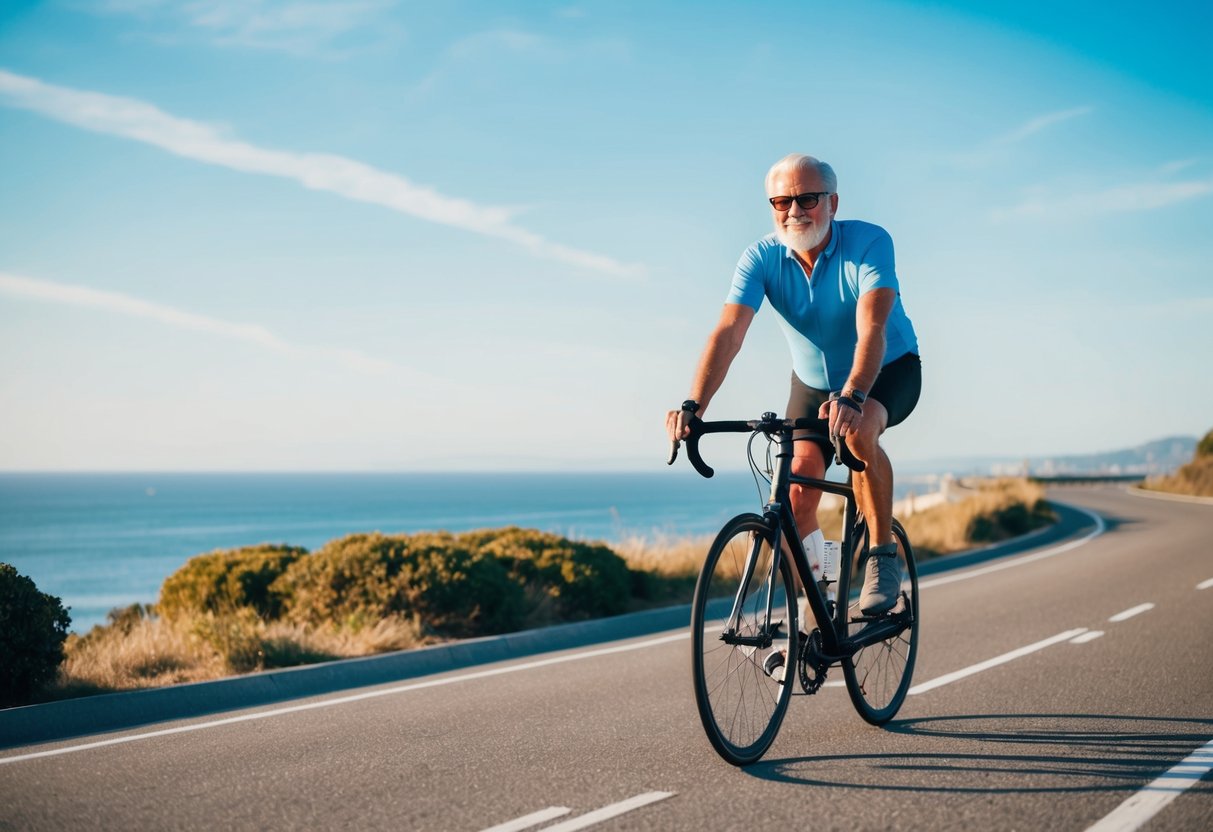
Setting realistic cycling goals is essential for older athletes to maintain motivation and achieve fitness success. By focusing on specific areas like endurance and strength, they can create a balanced plan that supports their health and enjoyment of cycling.
Starting with Endurance
Building endurance is crucial for cyclists aged 60 and above. It begins with short, manageable rides. Adding 10% to the duration each week helps prevent injury and improve stamina effectively.
For example, if someone starts with 30 minutes of cycling three times a week, they can gradually extend this to 40 or 45 minutes. This gradual increase allows the body to adapt to longer rides.
Incorporating rest days also ensures proper recovery. This balance aids in preventing fatigue and burnout while improving overall fitness.
Incorporating Strength Training
Strength training complements cycling by enhancing power and stability. Focusing on major muscle groups, especially the legs, core, and arms, can lead to better cycling performance.
Exercises such as squats, lunges, and planks can be incorporated into a weekly schedule. Even two sessions per week can yield noticeable improvements in strength and endurance.
Using bodyweight exercises is a great option for beginners. As they grow stronger, they can include weights for added resistance. This approach builds muscle and supports joint health, which is vital for older athletes.
Planning for Endurance Rides
Endurance rides should be planned meticulously to ensure enjoyment and safety. These rides can help increase stamina and prepare for longer distances.
Starting with a distance of 5 to 10 miles is an ideal target. As confidence and fitness grow, distances can gradually be increased.
Cyclists should also consider choosing flat routes to begin with. This choice eases the strain and allows focus on distance rather than elevation. Regular group rides can also provide motivation and a sense of community.
In addition, staying hydrated and fueling adequately during rides is essential. A balanced diet with sufficient carbohydrates and proteins supports endurance activities.
Choosing the Right Equipment
Selecting the right equipment is essential for a safe and enjoyable cycling experience at 60 years of age. The right e-bike and safety gear can enhance comfort and confidence while riding.
Selecting an Appropriate E-Bike
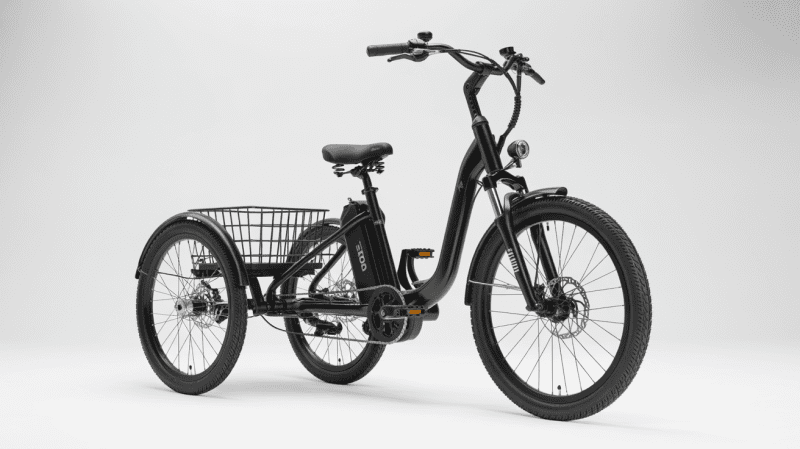
When considering an e-bike, several factors are important for senior cyclists. First, look for a step-through design. This style allows for easier mounting and dismounting, reducing the risk of falling.
Next, consider the bike's weight. A lightweight e-bike makes handling more manageable. Many models come with adjustable seats, ensuring a comfortable fit for various heights.
Battery range is also a key feature. Most e-bikes can travel between 20 to 50 miles per charge. Choosing one that fits your riding needs will enhance the experience.
Lastly, try test riding several models. This helps in finding the most comfortable bike for individual preferences.
Essential Cycling Gear for Safety
Safety gear is crucial for all cyclists, especially seniors. A properly fitted helmet is non-negotiable. It protects from head injuries in case of falls.
Reflective clothing and accessories improve visibility, especially in low-light conditions. Bright colors, such as neon, increase awareness from drivers.
Investing in good-quality bike lights is also essential. Front lights help illuminate the path, while rear lights signal presence to others.
Additionally, consider padded gloves for hand comfort during longer rides. Cycling shorts with padding provide extra cushioning, creating a more enjoyable ride.
Incorporating these safety measures will help senior cyclists ride with confidence and reduce the risk of accidents.
Incorporating Complementary Exercises
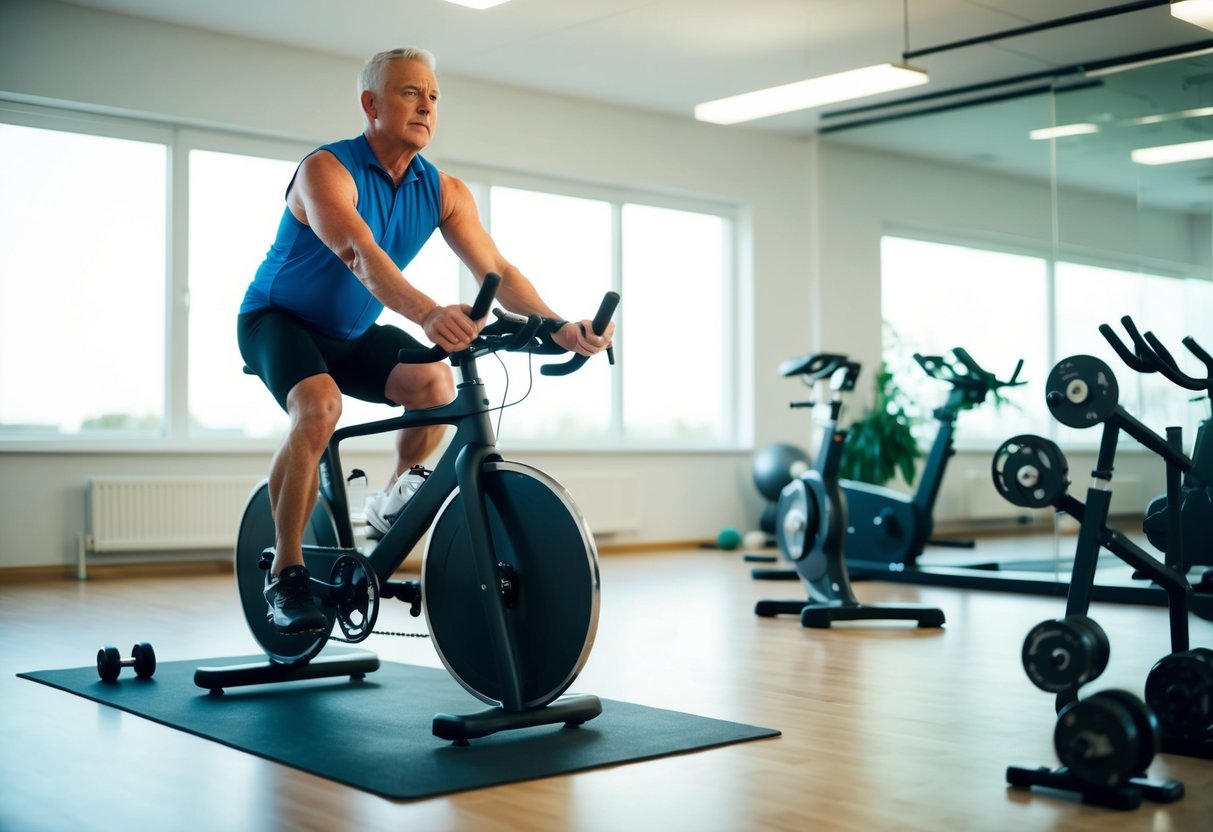
Adding complementary exercises can greatly enhance a cyclist's ability, especially for those around 60. Focused activities like yoga and Pilates improve flexibility, while resistance training boosts performance and strength.
Yoga and Pilates for Flexibility
Yoga and Pilates are excellent for enhancing flexibility crucial for cycling. They help improve range of motion in joints, which can lead to a more comfortable ride.
Yoga focuses on stretching and balance. Poses like Downward Dog and Warrior II not only lengthen tight muscles but also strengthen the core. Regular practice can prevent injuries that arise from overuse while cycling.
Pilates complements cycling through core strengthening and stabilization. Exercises like the Hundred and Leg Circles enhance core control. A strong core supports better posture on the bike, reducing strain on the back and improving overall performance.
Resistance Training to Aid Cycling Performance
Incorporating resistance training can significantly improve a cyclist's strength and endurance. This type of training engages various muscle groups that cycling alone might not fully develop.
Key exercises include squats, lunges, and leg presses. These movements focus on the legs, increasing power for climbing hills and accelerating.
Upper body strength is also important. Incorporating exercises like rows and shoulder presses helps maintain balance during rides. Strengthening the upper body can improve handling and control while cycling.
Aim for resistance sessions two to three times a week. This routine can enhance both cycling performance and overall fitness, leading to more enjoyable and effective rides.
Health Considerations and Cycling
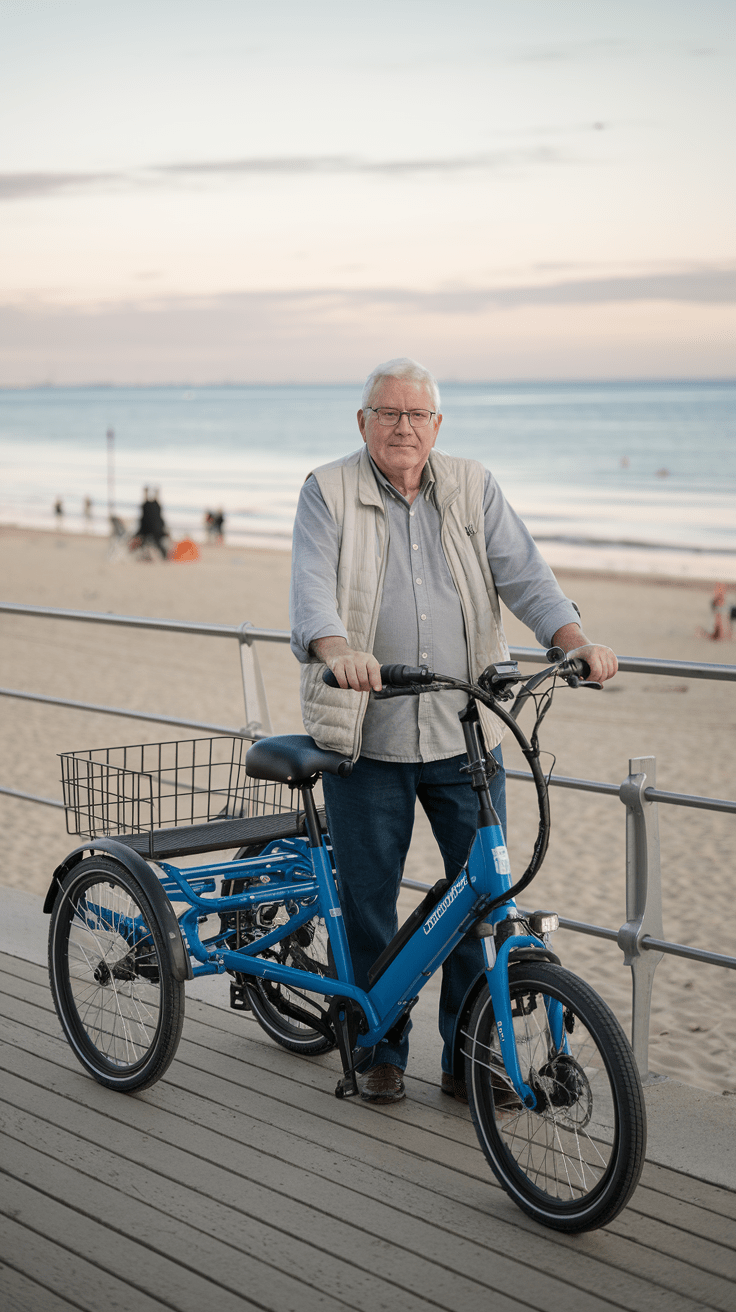
Cycling can offer significant health benefits for those aged 60 and above. It is essential for senior cyclists to consider their specific health conditions and ensure they are taking appropriate preventive measures.
Cycling with Chronic Conditions
For senior cyclists, managing chronic conditions like type 2 diabetes or cancer is crucial. Regular cycling can help maintain stable blood sugar levels. It enhances insulin sensitivity, which is vital for those with type 2 diabetes.
For individuals recovering from cancer, cycling can aid in regaining strength and improving overall well-being. However, they should consult their healthcare provider before starting any exercise program. Monitoring how the body reacts during cycling aids in identifying any potential issues early.
It's vital for older adults to listen to their bodies and adjust their cycling routines based on how they feel. They should prioritize hydration and rest and adapt their cycling intensity accordingly.
Preventive Measures and Regular Check-Ups
Regular health check-ups are important for senior cyclists. They help ensure that the individual remains fit for cycling. Seniors should schedule tests for heart health, lung function, and overall physical condition.
Tailoring cycling routines based on these check-ups will enhance safety. For example, choosing low-impact cycling on flat terrains may be best for those with joint issues.
Seniors should also consider joining local cycling groups. These groups can promote social interaction, which positively impacts mental health. Combining group rides with regular health monitoring creates a supportive environment for maintaining fitness.
Frequently Asked Questions
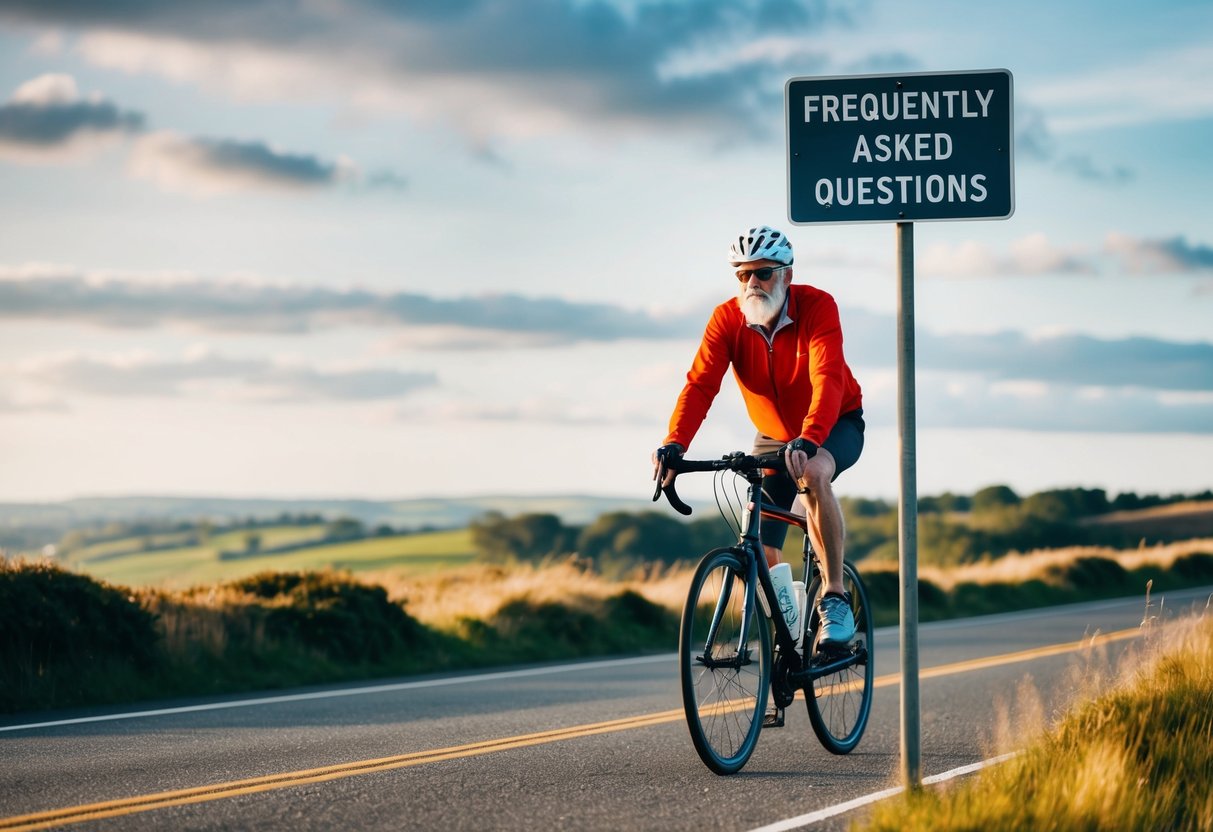
Cycling can be an excellent activity for individuals over 60, offering various health benefits, safety tips, and guidelines for starting out. Here are some common questions seniors may have as they consider or continue cycling.
What are the health benefits of cycling for individuals over 60?
Cycling offers numerous health benefits for those over 60. It improves cardiovascular health, strengthens muscles, and enhances joint mobility. Regular cycling can also support mental well-being by reducing stress and boosting mood.
How should beginners over 60 start a cycling regimen?
Beginners should start slowly, choosing flat routes to build endurance. It’s important to invest in a comfortable bike and wear a helmet. Starting with short rides and gradually increasing distance can help prevent injuries.
What is considered a good cycling speed for a senior cyclist?
A comfortable cycling speed for seniors generally ranges from 8 to 12 miles per hour. This speed allows for enjoyable rides without excessive strain. Factors such as fitness level and terrain can influence individual speed.
How long is an appropriate cycling session for someone aged 60 or older?
For seniors, cycling sessions of 20 to 30 minutes are suitable for beginners. As stamina builds, rides can gradually extend to 60 minutes or more. It's important to listen to the body and take rest breaks when necessary.
What safety considerations should cyclists over 60 keep in mind?
Safety is crucial for senior cyclists. They should always wear a helmet and use lights or reflectors for visibility. It's advisable to ride on well-maintained paths and avoid busy roads whenever possible.
Are there specific types of bicycles recommended for riders over 60?
Bicycles designed for comfort, such as cruiser or hybrid bikes, are often recommended for seniors. E-bikes can provide additional support, making longer rides more manageable. Ensuring that the bike fits well is essential for comfort and safety.
DISCLAIMER
This document is provided for general information purposes only and should not be relied upon as providing legal advice, technical, or specific operational guidance to the reader, whether as to the practices described in the document or the applicable legal requirements and regulations SeniorTrikes.Com expressly disclaims any responsibility for liability arising from or related to the use or misuse of any information in this document.