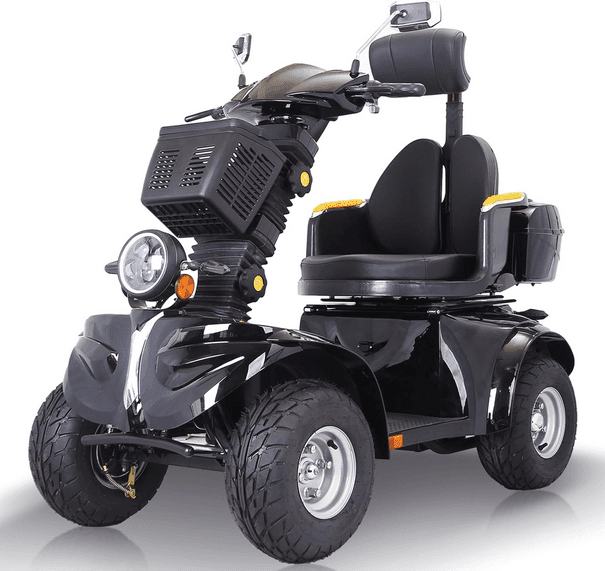
Electric trikes offer a unique blend of stability and power, making them perfect for riders of all skill levels. They combine the familiar feeling of cycling with added features that make riding easier and more enjoyable. Learning to ride an electric trike takes just a few basic steps and most people can master the basics in their first session.
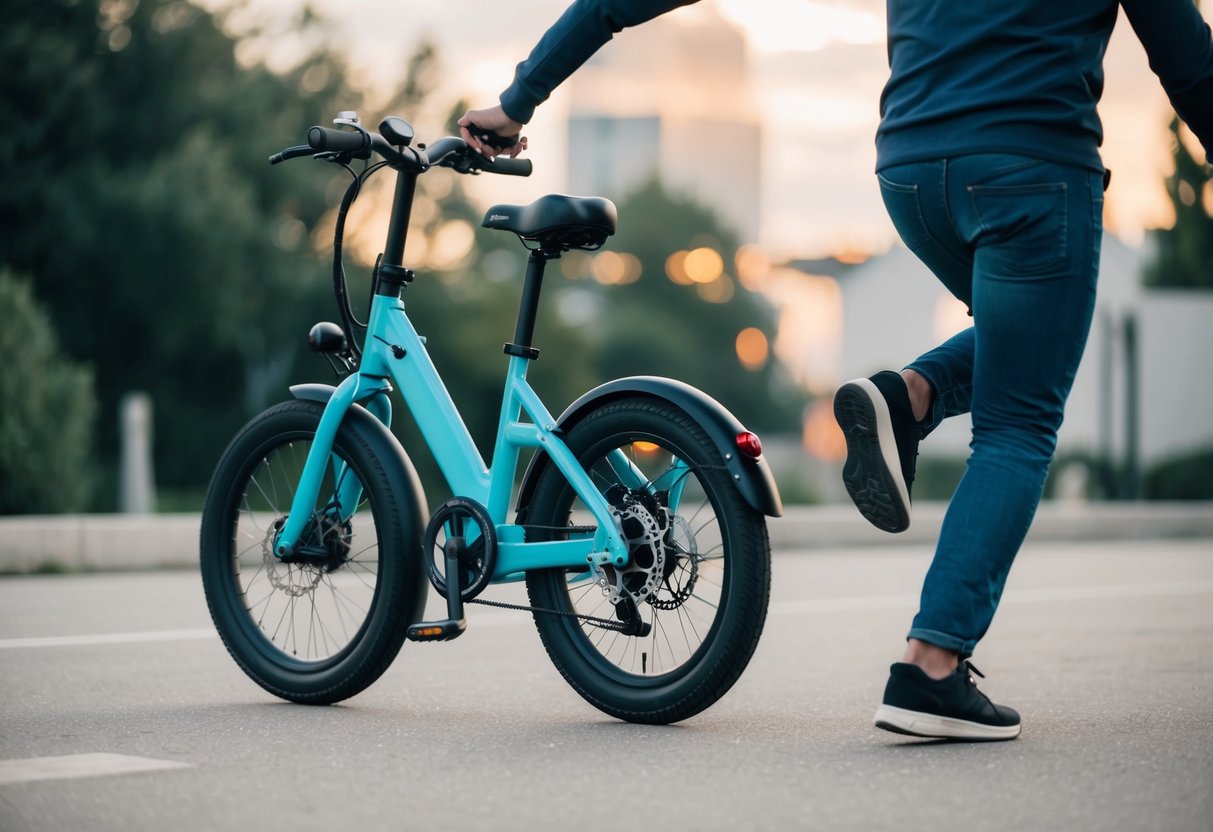
Getting started with an e-trike is simpler than many people think. The three-wheel design provides natural balance, while the electric motor helps with hills and longer distances. Safety features like wider seats and sturdy frames make these vehicles both comfortable and secure for new riders.
Key Takeaways
- Electric trikes offer built-in stability and require minimal balance skills to ride safely
- Basic controls and features can be learned in a single practice session
- Regular maintenance and safety checks ensure a smooth, reliable riding experience
Choosing the Right Electric Trike
Selecting an electric trike requires careful consideration of the model type, intended use, and power capabilities. The right choice depends on factors like riding style, storage needs, and typical travel distance.
Understanding Different Models
Upright electric trikes offer a traditional riding position with excellent visibility and easy mounting. These models work well for daily commuting and errands.
Recumbent models feature a laid-back seating position that reduces stress on the back and joints. The lower center of gravity adds stability.
Folding electric trikes save space and fit easily in cars or storage areas. Many models like the sixthreezero EVRYjourney collapse in seconds.
Cargo trikes include storage areas for groceries, packages, or equipment. Most can carry between 250-400 pounds of combined rider and cargo weight.
Assessing Your Needs
Think about where and how often you'll ride the trike. City riders need good maneuverability and compact designs.
Storage space at home affects whether a folding model makes sense. Measure doorways and storage areas before buying.
Consider physical comfort needs. A backrest provides extra support for longer rides.
Look for features that match your riding style:
- Step-through frames for easy mounting
- Adjustable handlebars for proper reach
- Wide seats for comfort
- Suspension systems for rough roads
Battery Life and Power
Most e-trike batteries provide 20-40 miles of range per charge. Actual distance varies based on:
- Rider weight
- Terrain type
- Weather conditions
- Assist level used
Battery voltage typically ranges from 36V to 48V. Higher voltage means more power for hills and acceleration.
Charging time averages 4-6 hours for most models. Consider getting a spare battery for longer trips.
Look for removable batteries to make charging more convenient. This lets you charge indoors while the trike stays in the garage.
Setting Up Your Electric Trike
Proper setup of an electric trike creates a safe and comfortable riding experience. Taking time to adjust key components helps prevent strain and ensures optimal control.
Adjusting the Seat for Comfort and Stability
The seat height should allow for a slight bend in the knee when the pedal is at its lowest position. A rider should be able to place both feet flat on the ground while seated.
Most electric trikes have quick-release levers or bolts to adjust the seat height. To prevent unwanted movement, loosen the mechanism, set the height, and then tighten fully.
The seat angle matters too. A level position works well for most riders, but some prefer a slight tilt forward or back. Test different angles to find the most comfortable position.
Handlebar Positioning for Control
The handlebars should be at a height that allows the arms to bend slightly at the elbows. This reduces strain on the shoulders and back.
Many e-trikes allow handlebar adjustment through a stem bolt or quick-release system. Ensure all bolts are tight after making adjustments.
The grip width should match shoulder width for natural arm positioning. Rotate the handlebars to achieve a neutral wrist position while holding the grips.
Checking the Brakes and Throttle Response
Test the brakes while stationary. Both brake levers should move smoothly and provide firm resistance. Check that brake pads make full contact with the wheels.
When released, the throttle should spring back immediately. If it sticks or moves slowly, adjustment or maintenance may be needed.
Test pedal assist levels while secured on a stand. Each level should provide smooth, predictable power without jerking or delay.
Safety Check List:
- Brake response
- Throttle movement
- Tire pressure
- Battery secure
- All bolts tight
Learning the Basics
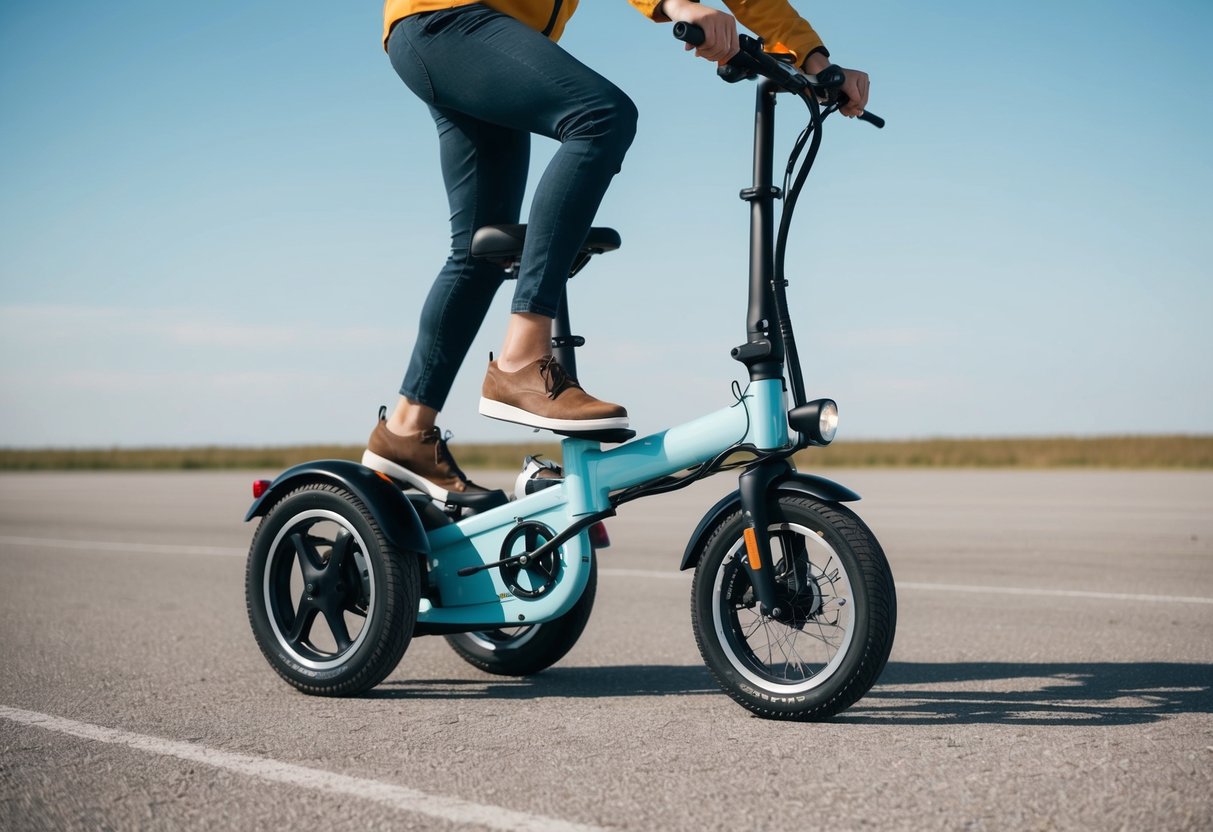
Electric trikes provide stability and control through three wheels, simple throttle operation, and adjustable power assistance modes. These features make them accessible for riders of all skill levels.
Balancing on Three Wheels
Starting on an electric trike is easier than a two-wheeled bike since it can't tip over. Riders should sit centered on the seat with both feet on the pedals.
The trike will lean slightly when turning corners. Riders need to shift their weight toward the turn while keeping their upper body straight.
At low speeds, the trike may feel less stable. Practice making wide, gentle turns until you are comfortable with its handling characteristics.
Using the Throttle and Brakes
The throttle delivers power smoothly when pressed. Start with gentle pressure to avoid sudden acceleration.
Apply both hand brakes evenly to slow down or stop. Squeeze them gradually rather than grabbing suddenly.
Practice starts and stops in an empty parking lot. Begin with small throttle inputs and light braking until the controls feel natural.
Practicing Pedal Assist Modes
Most electric trikes offer multiple levels of pedal assistance. Start in the lowest mode to get familiar with the power delivery.
Higher assist modes provide more power with each pedal stroke. Increase the level gradually as riding skills improve.
Try different assist settings on flat ground first. This helps build confidence before tackling hills or longer rides.
The motor will cut power when the brakes are applied. Practice this safety feature by making controlled stops while pedaling.
Safety Precautions

Safe riding on an electric trike requires proper gear, knowledge of key features, and awareness of potential hazards. These safety measures protect riders and help prevent accidents.
Wearing the Right Gear
A DOT-approved helmet is essential for every ride. The helmet should fit snugly and not move when the head turns.
Bright, reflective clothing helps other road users spot the rider. A reflective vest or jacket works best during day and night rides.
Closed-toe shoes with non-slip soles provide good grip on the pedals. Avoid loose pants that could get caught in the chain.
Gloves protect hands from vibration and improve grip on the handlebars. They also shield skin during unexpected stops.
Understanding Safety Features
Electric trikes come with built-in safety features that need regular checks. Test the brakes before each ride to ensure they respond quickly.
The battery indicator shows the remaining power. Keep it charged above 20% to maintain consistent performance.
Check tire pressure weekly. Proper inflation helps with stability and control.
The pedal assist system needs calibration. Start in the lowest setting to learn how the motor responds to pedaling.
Navigating Common Hazards
Slow down when turning corners. Electric trikes can tip if taken too fast due to their three-wheel design.
Watch for uneven road surfaces. Potholes and bumps affect trikes differently than two-wheeled bikes.
Keep extra distance from other vehicles. Trikes need more space to maneuver than regular bikes.
Scan ahead for obstacles. Plan stopping points, especially on hills where the trike's weight affects braking distance.
Be extra careful in wet conditions. Reduce speed and avoid sudden movements when roads are slippery.
Riding Techniques
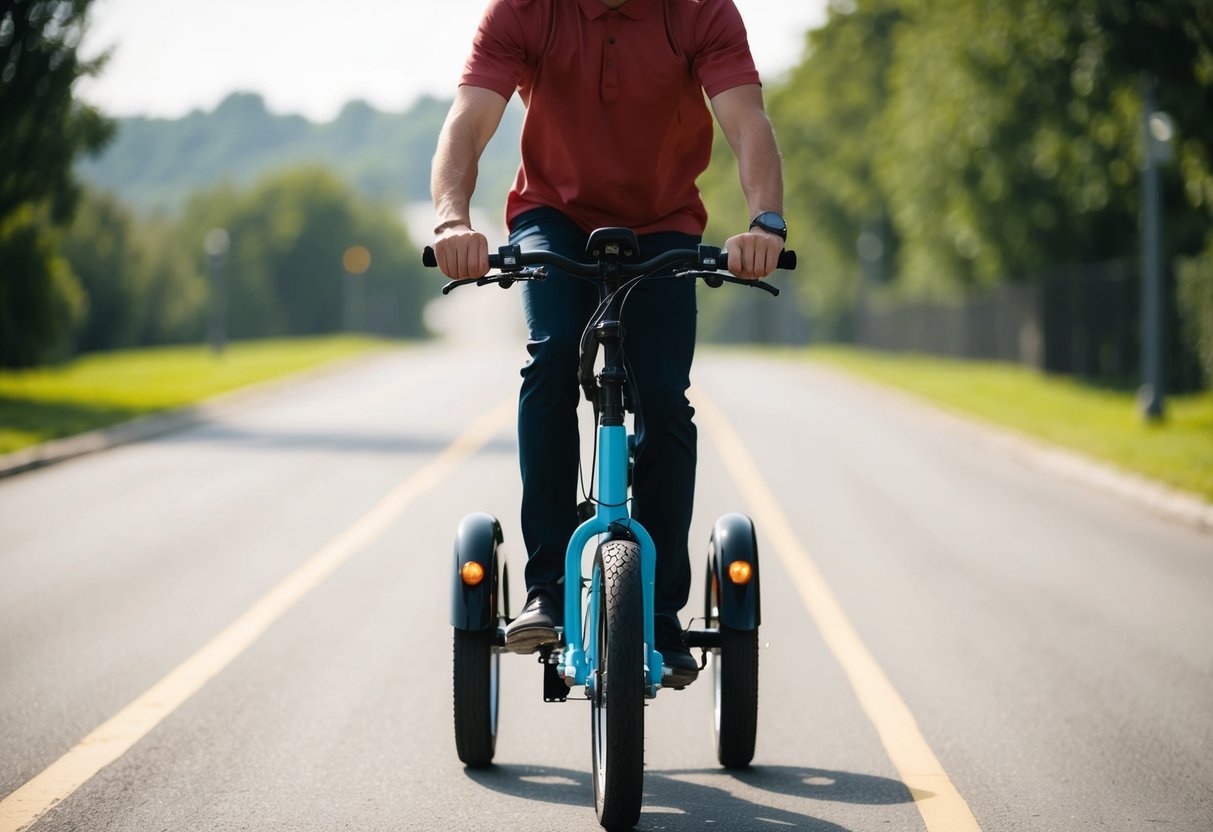
Good riding techniques help make electric trike riding safe and enjoyable. Three key skills make a big difference: smooth starts and stops, careful turns, and smart speed control.
Starting and Stopping Smoothly
Start by sitting comfortably on the trike with both feet on the ground. Place hands firmly on the handlebars and check the surroundings.
Gently press the throttle to start moving. Use light pressure at first - the electric motor responds quickly.
Keep the speed low until you gain confidence in the controls. Apply the brakes gradually when stopping to prevent jerky movements.
Practice starting and stopping in an empty parking lot or quiet street. This builds muscle memory for smooth control.
Taking Turns Safely
Slow down before entering any turn. The three-wheel design means trikes handle differently than two-wheel bikes.
Lean slightly toward the inside of the turn while keeping both hands on the handlebars. This helps maintain stability.
Make wide turns at first. Sharp turns at higher speeds can lift the inside wheel off the ground.
Look through the turn toward where you want to go. The trike will naturally follow your gaze.
Managing Speed and Stability
Start with the lowest power setting until familiar with the trike's acceleration. Higher settings can be surprising for new riders.
Keep speed moderate on rough roads or uneven surfaces. The trike stays more stable at sensible speeds.
Stay centered on the seat without leaning side to side. This maintains the best balance.
Use the throttle smoothly and steadily. Quick changes in speed can affect stability and control.
Check tire pressure regularly. Proper inflation helps handling and makes the ride smoother.
Maintenance and Care
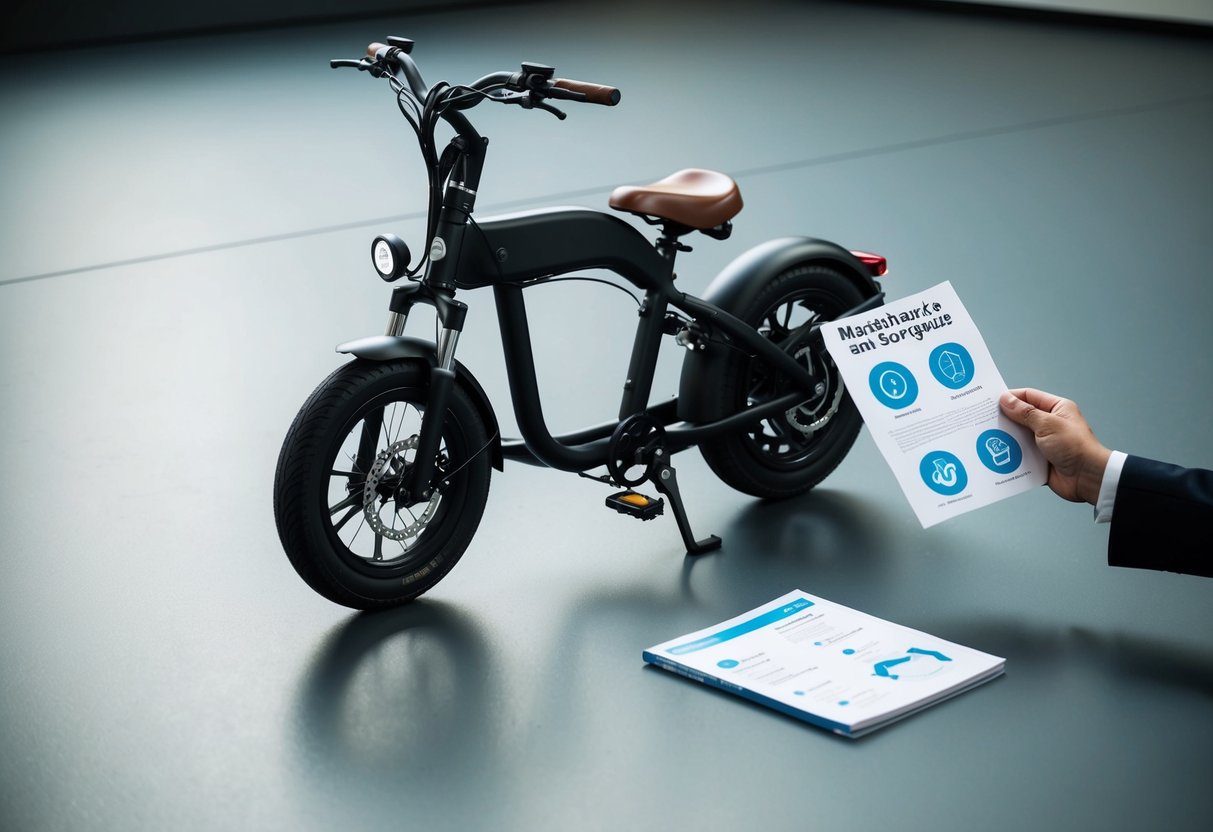
Regular maintenance keeps an electric trike running safely and smoothly. A well-maintained trike lasts longer and performs better on every ride.
Regular Battery Checks and Charging
The battery needs consistent care to maintain its full capacity. Riders should charge their trike after each use, even if the battery isn't fully depleted.
Store the battery at room temperature between 60-70°F (15-21°C). Extreme temperatures can damage battery cells and reduce performance.
Charging Best Practices:
- Charge to 100% before long rides
- Avoid letting charge drop below 20%
- Use only the manufacturer's charger
- Keep charging port clean and dry
Brake Maintenance
Strong brakes are critical for rider safety. Check brake pads monthly for wear and proper alignment.
Monthly Brake Checks:
- Test brake lever tension
- Look for pad wear indicators
- Clean brake rotors with alcohol
- Adjust cable tension if needed
Replace brake pads when they get thin or show uneven wear patterns. Most pads need replacement every 1,000-1,500 miles.
Motor and Pedal Assist Care
Keep the motor housing clean and protected from water damage. Inspect the motor mount bolts before each ride.
The pedal assist sensor needs occasional cleaning to work correctly. Wipe it gently with a dry cloth if it becomes dirty.
Motor Care Tips:
- Listen for unusual noises
- Check power connections monthly
- Keep motor housing clean
- Test assist levels regularly
Avoid pressure washing around the motor area. A damp cloth works best for cleaning electrical components.
Using Your E-Trike for Commuting
Electric trikes offer a practical transportation option that combines comfort, stability, and eco-friendly features for daily commuting needs. They work well in various weather conditions and provide multiple ways to reach your destination.
Advantages of E-Trikes for Commuters
E-trikes eliminate many common barriers to bike commuting. The three-wheel design provides extra stability, making it easier to carry bags, groceries, or work supplies.
Pedal assist levels let riders choose how much effort they want to put in. This means arriving at work fresh and sweat-free on hot days.
The upright riding position reduces strain on the back and shoulders during longer trips. Most e-trikes can travel 20-40 miles on a single charge, enough for a typical commute.
Storage baskets and cargo spaces make it simple to transport items securely. Many models include built-in lights and reflectors for safer riding in low-light conditions.
Planning Your Route
Start by mapping quiet streets and dedicated bike paths whenever possible. Test your route on a weekend to measure travel time and identify potential challenges.
Consider these key factors when choosing a route:
- Traffic patterns during rush hour
- Road surface quality
- Available bike lanes
- Safe places to park
- Distance to charging points
Plan alternate routes for different weather conditions. Keep your phone charged for navigation and emergency calls.
Combining with Other Modes of Transport
Many public transit systems allow e-trikes on buses and trains during off-peak hours. Check local regulations and schedules before planning a mixed-mode commute.
Popular combinations include:
- Riding to transit stations
- Taking the e-trike on trains
- Using bike-share programs as backup
Look for secure parking at transit hubs. Some workplaces offer indoor storage or charging stations for e-bikes and trikes.
Pack a small repair kit for unexpected issues. This helps maintain flexibility when switching between transportation modes.
Frequently Asked Questions
Electric trike riders need specific guidance on safety, operation, and maintenance to get the most out of their rides. These answers address common concerns for both new and experienced riders.
What are the basic steps to get started with an electric trike?
Start by adjusting the seat height so your feet can rest flat on the ground while seated.
Check that the handlebars are at a comfortable height and the controls are within easy reach.
Practice starting and stopping in an empty parking lot or quiet street before riding in traffic.
What safety measures should one take when riding an electric trike?
Always wear a properly fitted helmet and bright, visible clothing.
Install front and rear lights for better visibility, even during daytime rides.
Check tire pressure, brakes, and battery charge before each ride.
How does the battery and charging system work on an electric trike?
Most electric trikes use lithium-ion batteries that provide 20-40 miles of range per charge.
The battery typically takes 4-6 hours to charge fully using a standard household outlet.
Regular charging after each ride helps extend battery life.
Can electric trikes be ridden in all types of weather?
Electric trikes can handle light rain and moderate weather conditions.
Avoid riding in heavy rain, snow, or icy conditions for safety reasons.
Store the trike in a dry place to protect electrical components.
What maintenance routines are recommended for electric trikes?
Clean the frame and components monthly with a damp cloth.
Check tire pressure weekly and inspect brake pads every three months.
Schedule professional maintenance checks every six months.
How to balance on an electric trike while moving at slow speeds?
Keep both hands firmly on the handlebars while maintaining a relaxed grip.
Look ahead in the direction of travel rather than down at the ground.
Use gentle pedal assist and brake inputs to maintain smooth, controlled movement.
DISCLAIMER
This document is provided for general information purposes only and should not be relied upon as providing legal advice, technical, or specific operational guidance to the reader, whether as to the practices described in the document or the applicable legal requirements and regulations. Senior Trikes expressly disclaims any responsibility for liability arising from or related to the use or misuse of any information in this document.