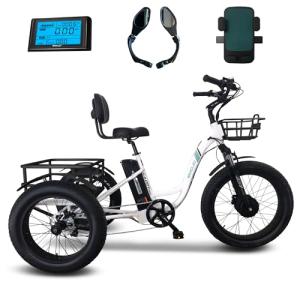
Electric bicycles, or e-bikes, are changing the way we think about transport. Once seen as a novelty, they're now recognized for their ability to address common challenges like traffic congestion and pollution.
Thanks to advancements in technology, e-bikes have become more accessible and affordable, attracting a diverse group of riders worldwide.
I've spent years exploring the intersections of cycling, technology, and environmental sustainability. My journey has shown me firsthand how electric bikes offer practical solutions to modern-day transportation issues while promoting health and fitness.
Ready to discover how electric bicycles can transform your daily commute and leisure activities? Let’s explore their remarkable versatility together.
Understanding Electric Bicycles
Electric bicycles are a type of bicycle equipped with an electric motor, providing assistance to the rider's pedaling. They offer benefits such as reducing physical effort during cycling and extending the range of travel.
These bicycles have a significant impact on transportation by offering a sustainable and cost-effective mode of commuting.
What are Electric Bicycles?
Electric bicycles, or e-bikes, mix traditional bicycle designs with a battery-powered "assist" that comes into play when pedaling. Riders can enjoy the push from this electric assist, making hills easier to climb and longer distances more manageable without exhausting themselves.
They embody innovation in mobility by combining fitness with efficiency, offering an alternative mode of transport that is both sustainable and enjoyable. With pedal-assisted technology accounting for 88.36% of the global market, these bikes have surged in popularity among urban commuters and adventure seekers alike.
E-bikes stand at the forefront of transforming daily commutes into eco-friendly journeys. They extend riders' range while minimizing sweat and effort involved in pedaling, especially during warm weather or over challenging terrains.
This versatility opens up new possibilities for commuting options, cargo transport, and outdoor exploration without sacrificing performance for sustainability. As we delve deeper into the benefits of electric bicycles next, consider their role not just as vehicles but as tools empowering users towards healthier lifestyles and more mindful engagement with their environments.

Benefits of Electric Bicycles
Electric bicycles provide numerous benefits, encouraging individuals to attain enhanced mobility and better health. These bikes offer electric assistance, which extends the range of riders, making it easier to cover longer distances without exerting excessive effort.
This feature not only increases accessibility for a wide range of people but also promotes environmental sustainability by reducing reliance on traditional vehicles. Moreover, e-bikes are an optimal choice for urban commuters seeking a convenient and eco-friendly transportation option.
With their ability to effortlessly navigate through traffic and reduce commute times, electric bicycles have become an increasingly popular choice for individuals looking for flexible and efficient transport solutions that contribute positively towards the environment.
E-bikes excel in promoting fitness levels among users as they encourage physical activity while accommodating various fitness levels. The pedal-assisted feature allows individuals to exercise at their preferred level while still enjoying the exhilarating experience of cycling.
Impact on Transportation
Electric bicycles have significantly impacted transportation by offering a convenient and eco-friendly option for urban commuters. With electric assistance, riders can cover longer distances effortlessly, reducing the reliance on traditional vehicles and contributing to a cleaner environment.
The increasing sales and adoption of e-bikes globally reflect their positive impact on transforming urban mobility, making them an integral part of sustainable transport solutions.
The wide availability and affordability of electric bicycles have contributed to their popularity among commuters seeking efficient and environmentally friendly transportation options.
E-bikes are revolutionizing urban travel, enabling individuals to embrace a healthier lifestyle while reducing their carbon footprint. This shift towards electric bicycles underscores the growing importance of sustainable transport in modern cities, encouraging more people to choose eco-conscious modes of commuting.
Versatile Applications of Electric Bicycles
Electric bicycles have versatile applications, from commuting to cargo transport, fitness and health, and sustainable transportation. They cater to various needs like urban maneuvering and are designed to enhance mobility in a tailored manner.
Commuting
Electric bikes offer a convenient and eco-friendly option for urban commuting. Riders can effortlessly cover longer distances, thanks to electric assistance that extends their range, making it an optimal choice for city dwellers.
With the increasing popularity and affordability of e-bikes, they provide flexibility and practicality as a mode of transportation in urban areas, accounting for 88.36% of the global market.
The thriving electric bike industry showcases the growing recognition of the benefits and convenience they offer to commuters worldwide.
Cargo Transport
Electric bicycles are an ideal choice for transporting cargo in urban areas or over short distances. With the ability to carry heavy loads while providing electric assistance, these bikes offer a practical solution for deliveries and errands.
Additionally, e-bikes equipped with cargo racks or baskets make it convenient to transport groceries, packages, and other items without relying on traditional vehicles. Furthermore, the electric assistance ensures that riders can easily navigate through traffic and diverse terrain while transporting various goods, making them a versatile option for cargo transport.
Moving on from discussing cargo transport with electric bicycles brings us to explore the fitness and health benefits of using these innovative modes of transportation.
Fitness and Health
Electric bicycles offer significant health benefits, providing an excellent option for staying active and fit. The pedal-assist function encourages riders to engage in physical activity while enjoying the support of electric assistance.
Using electric bikes can boost cardiovascular fitness, improve muscle strength, and aid in weight management, contributing to overall well-being. Additionally, e-bikes provide a low-impact form of exercise that is gentle on joints and suitable for individuals at varying fitness levels.
Riding an electric bicycle also offers mental health benefits due to the joy and freedom it brings. This mode of transportation enables cyclists to enjoy the outdoors while reducing stress levels and enhancing mood.

Sustainable Transport
Transitioning from the benefits of fitness and health, electric bicycles also play a crucial role in sustainable transport. With zero emissions and the ability to replace car trips for short distances, e-bikes are a game-changer when it comes to reducing traffic congestion and air pollution in urban areas.
Electric bikes not only offer an eco-friendly transportation option but also promote active living, contributing to a healthier environment and community overall. Additionally, with lithium batteries powering most e-bikes, they play a significant part in promoting energy-efficient modes of transport that align with sustainability goals while offering reduced environmental impact compared to traditional vehicles.
Innovative Features of Electric Bicycles
Electric bicycles incorporate innovative features such as folding designs for easy storage and portability, and fat tire options for increased stability and traction on various terrains.
Lithium batteries are also a notable feature, providing long-lasting power while remaining lightweight.
Folding Bikes
Folding bikes are revolutionizing urban commuting and traveling. With their compact design, they offer incredible convenience for city dwellers and travelers alike. These versatile electric bicycles feature a foldable frame that allows them to be easily stored in small spaces, such as apartments or office cubicles.
The lightweight nature of these bikes makes them ideal for combining public transportation with cycling, providing an eco-friendly and efficient way to navigate through busy city streets or travel longer distances without the need for a car.
Additionally, folding e-bikes can seamlessly integrate into daily routines by offering quick assembly and disassembly, making them a practical choice for commuters looking to incorporate cycling into their everyday lifestyle.
The popularity of folding e-bikes is on the rise due to their versatility and practicality. Statistics show that sales of folding electric bicycles have surged in recent years, reflecting the growing demand for convenient and sustainable transportation options among urban residents and travelers.
Fat Tire Bikes
Fat tire bikes are designed for off-road and challenging terrains, offering increased stability and traction. The wider tires provide better grip on uneven surfaces such as sand, snow, or gravel.
These bikes are ideal for adventurous cyclists looking to explore trails that regular bicycles would struggle to navigate. Additionally, fat tire electric bikes have gained popularity among outdoor enthusiasts seeking more than just a traditional biking experience.
The sturdy design of fat tire electric bicycles enhances their versatility, making them well-suited for both leisurely rides and more demanding outdoor pursuits.
Lithium Batteries
Lithium batteries power the electric assistance in e-bikes, providing a lightweight and long-lasting energy source. These batteries are well-suited for electric bicycles due to their high energy density, allowing riders to cover longer distances on a single charge.
The use of lithium batteries has contributed significantly to the growing popularity of e-bikes, as they offer a reliable and efficient power solution that meets the demands of urban commuting and recreational cycling.
With advancements in battery technology, lithium batteries continue to improve, offering enhanced performance and range for e-bike riders.
The reliability and efficiency of lithium batteries have made them an integral part of the electric bike industry's growth. Their ability to store more energy in a smaller space has led to innovations such as extended-range e-bikes with improved battery life.

Environmental and Social Benefits of Electric Bicycles
Electric bicycles offer numerous environmental and social benefits. They contribute to reducing air pollution and greenhouse gas emissions, supporting cleaner and healthier urban environments.
With the rise of electric bikes, there's a notable decrease in traffic congestion, leading to smoother traffic flow across cities worldwide. Ebikes not only promote physical activity but also aid in minimizing the reliance on conventional vehicles for short-distance transportation.
Additionally, they play a crucial role in promoting social interaction within communities while providing an affordable and sustainable mode of transport accessible to individuals from various socioeconomic backgrounds.
The adoption of electric bikes has resulted in a reduction in carbon emissions globally as more people opt for eco-friendly transportation alternatives. Moreover, the increased usage of e-bikes contributes significantly to decreasing noise pollution levels compared to traditional motor vehicles—a key aspect contributing towards creating quieter and more peaceful living spaces within urban settings.
Conclusion
Electric bicycles transform the way we approach personal transportation and recreational activities. As cities become more congested and the global community shifts toward sustainable living, e-bikes emerge as a powerful solution.
Dr. Lena Hart, with over 15 years in sustainable urban development, stands at the forefront of this electric revolution. Holding a Ph.D. in Environmental Science from Stanford University, her research into eco-friendly transport solutions has been pivotal.
Dr. Hart's work in integrating green technology within urban infrastructure showcases her deep understanding of e-mobility's role in modern societies.
Dr. Hart emphasizes that electric bikes uniquely blend efficiency with environmental stewardship. Their design allows riders to cover greater distances without exerting excessive physical effort or contributing to carbon emissions significantly.
Such features are crucial for enhancing urban mobility while reducing reliance on fossil fuels.
Safety and ethical manufacturing stand as pillars in the production and sale of electric bicycles, according to Dr. Hart. She highlights the importance of adhering to strict safety standards and ensuring transparent consumer practices within the industry.
For those considering an e-bike for daily use, Dr. Hart suggests starting with clear intentions—whether for commuting, fitness, or leisure—and selecting a model that suits these needs while considering battery life and overall bike weight.
In evaluating their broader impact versus traditional vehicles or even manual bicycles, electric bikes present both upsides and downsides; their convenience and lower carbon footprint must be weighed against initial costs and potential technological issues like battery lifespan.
Dr.Hart firmly supports adopting electric bicycles across various lifestyles for their unmatched balance of efficiency, health benefits, and ecological sensitivity.
DISCLAIMER
This document is provided for general information purposes only and should not be relied upon as providing legal advice, technical, or specific operational guidance to the reader, whether as to the practices described in the document or the applicable legal requirements and regulations. Senior Trikes expressly disclaims any responsibility for liability arising from or related to the use or misuse of any information in this document.