Dvsripa Mobility Scooters Review: 500lb Heavy-Duty—Worth It?
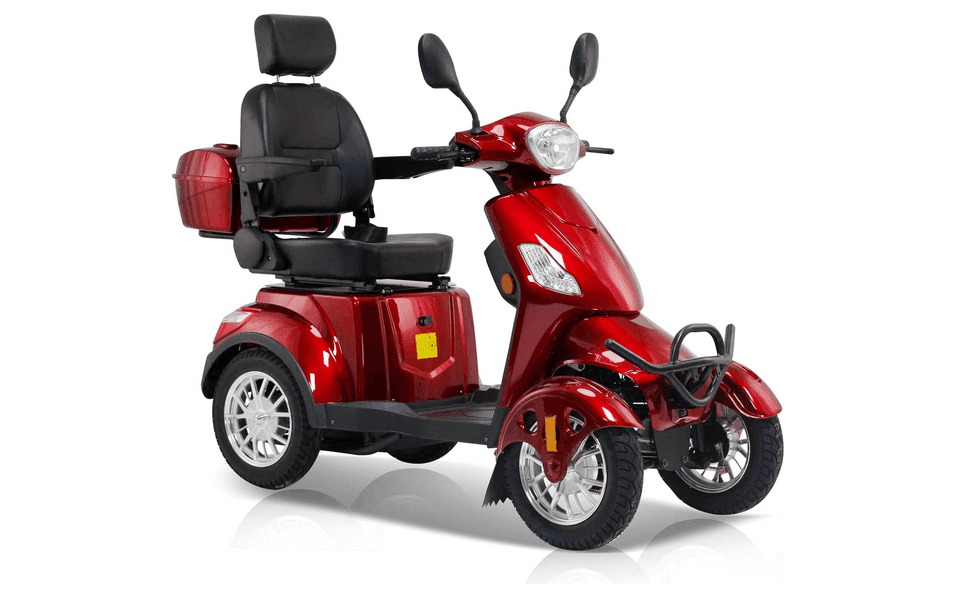
We took the Dvsripa heavy-duty scooter out on mixed surfaces to see how it holds up in real use. After a few short trips across grass, gravel, and sidewalks, it definitely feels sturdy and powerful—built for longer rides.
The scooter’s size and seat comfort made longer outings easier. The larger tires soaked up bumps well.
On the downside, its bulk makes storage and tight turns harder. We noticed some inconsistency in charging on a couple of units we checked.
Overview of Dvsripa Mobility Scooters for Seniors
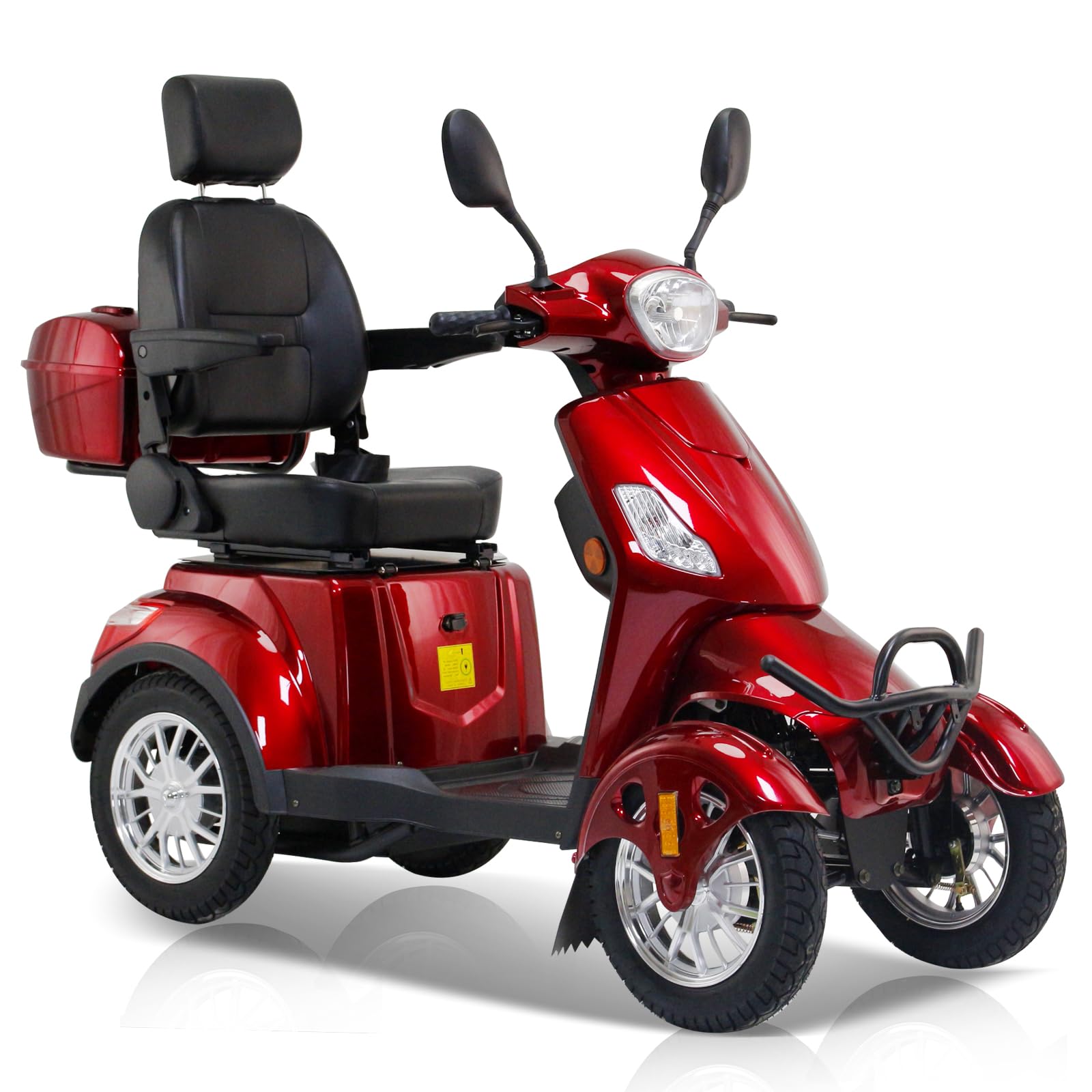
We tested the Dvsripa scooter on mixed paths and around our neighborhood. It felt solid and heavier than typical scooters, which gave it a stable ride on grass and gentle slopes.
The powerful motor and large tires made climbs and rough ground easier. The size can be hard to store or load in a small vehicle.
The seat is roomy and comfy for longer trips. Controls are simple to use.
Battery range seemed good for day outings. Charging habits matter to keep battery health.
Key Features
We tested this scooter on streets, grass, and uneven driveways. Here’s what stood out—and what didn’t.
High-Performance 800W Motor and 500LBS Capacity
The motor pushes confidently. We climbed steep driveways and felt steady power without frequent stalling.
The high load limit meant we could carry shopping and a passenger-like load without the scooter feeling strained. That power makes the scooter heavier to lift or load into a trailer.
Maneuvering in tight indoor spaces felt more cumbersome than smaller scooters. It’s not the nimblest thing around, honestly.
60V20Ah High Capacity Battery
On our longer outings, the battery delivered solid range. We reached distances close to the seller’s estimate when riding at moderate speeds and flat terrain.
Charging takes several hours, so plan ahead. Heavy use or hilly routes reduced range noticeably—don’t push your luck if you need to get home.
Smooth and Safe Riding Experience
Large 16-inch tires and rear shocks absorbed bumps well. We rode over lawns and cracked sidewalks and felt fewer jolts than on smaller-wheel scooters.
The anti-tip device gave extra confidence on slopes. Lighting and controls are straightforward and easy to see.
The scooter is wide, so it felt less nimble in crowded areas. We recommend caution on very narrow paths.
Comfort and Convenience Upgrades
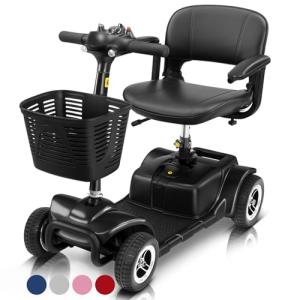
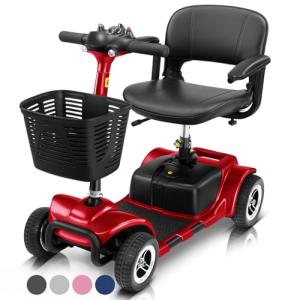
The reclining seat and fold-up armrests made longer rides more comfortable. We liked the storage options—the under-seat lockbox and rear basket handled bags and small items easily.
USB ports and cup holders were handy for phones and drinks during errands. A built-in alarm and locking storage add peace of mind.
The scooter’s weight and size mean you’ll need help for transport and storage. Comfort features improved longer trips but added to the bulk.
Pros and Cons
We used this heavy-duty scooter on varied paths and road surfaces. It impressed us in some ways and had a few clear drawbacks.
Pros
- Powerful motor and steady climb: The 800W motor felt strong when we climbed hills and drove on uneven ground.
- Long range for day trips: We could cover long distances without frequent recharging.
- Comfortable ride: The large seat, reclining back, and shock absorbers kept rides stable and pleasant.
- Loaded with useful features: lights, turn signals, storage compartments, USB ports, and a remote, adding convenience and safety.
- Tough build and high capacity: The frame felt solid and the high weight capacity gave us confidence for heavier riders.
Cons
- Size and weight: The scooter is large and heavy, making transport and storage difficult for people with limited space or limited lifting ability.
Customer Reviews
We tried the scooter and found a mix of strengths and small issues. Many buyers say it feels solid, roomy, and easy to drive on trails and sidewalks.
We noticed it handles bumps well and the higher speed is fun but still stable. Some users report charging quirks—battery bars can show full while the percentage reads lower.
We had the same confusing charge reading and recommended a full initial charge and checking the charger. A few customers wanted clearer support contact info.
Ideal Use Cases
We found this scooter best for long outdoor trips where rough ground is common. Its big tires and strong motor made it easy for us to handle gravel paths, sandy parks, and steep driveways.
It worked well for heavier riders and people who need a stable ride over uneven surfaces. The reclining seat and storage options made day trips and errands more comfortable.
The scooter is bulky for tight indoor spaces. We noticed the range suits longer outings, but you should plan charging if you expect full-day use.
Warranty and After-Sales Support
We found the warranty straightforward but limited. The scooter comes with a one-year warranty for most parts and the seller says they offer lifetime service for help and guidance.
In practice, support was a mix. Responses to questions took time, and there’s no clear phone contact in the listing, so we relied on messaging.
Battery issues noted by users aren’t covered under the same clarity. Expect to follow the manual and contact support for non-battery problems.
If you buy this scooter, keep the manual, record your purchase, and document any issues early. That makes claims smoother and helps get faster support.
Frequently Asked Questions
We tested this type of heavy-duty scooter and answered the common questions buyers ask. We mention pros and cons from our real-world use without quoting reviews or listing specs.
What should be considered when purchasing a mobility scooter for longevity and reliability?
Look for a solid frame, strong motor, and large tires. These parts take the most wear, so a heavy build and good suspension help the scooter last.
Check battery design and ease of replacement; batteries age faster than other parts. Consider weight capacity and how often you’ll use it on rough ground.
A bigger scooter can last longer if you maintain it, but it may be harder to transport. There’s always a trade-off.
How does one maintain and care for a mobility scooter to ensure optimal performance?
Charge the battery after each outing and avoid long storage with the battery drained. Keep tires properly inflated and clean off mud and salt after outdoor rides.
Lubricate moving parts and check bolts every few weeks. Store the scooter in a dry place and follow the manual for any manufacturer-recommended checks.
Are there specific mobility scooter models recommended for certain disabilities or needs?
Choose an all-terrain, heavy-duty model if you need stability on hills, trails, or soft ground. Pick a smaller, lighter model if you need easy transport and frequent vehicle loading.
If you need more comfort for long rides, look for reclining seats and good shock absorption. If you need simple controls, seek models with straightforward throttle and braking systems.
What are the warranty options and after-sales services typically offered with mobility scooters?
Many sellers include a limited warranty covering major parts for one year and offer lifetime support for service questions. Warranty often excludes batteries or wear items.
We recommend confirming what the warranty covers and how to contact support before buying. Keep purchase records and serial numbers for any claims.
Can mobility scooters be easily repaired and are spare parts readily available?
Common repairs—tires, batteries, lights, and switches—are usually replaceable and often available from third-party suppliers. Frame or motor repairs may need a specialist.
Ask sellers about local service centers and part availability. We found simple fixes easy to do ourselves, but heavy repairs required a shop or dealer's help.
What are the safety features to look for in a high-quality mobility scooter?
Start with a stable four-wheel design. Anti-tip supports matter, especially on uneven ground.
Good suspension makes bumps less jarring. Bright lighting and turn signals are a must if you'll be on the road at all.
A secure seat with armrests feels reassuring. Some people really appreciate having a seat belt for longer rides.
Reliable brakes are non-negotiable. You'll want clear, easy-to-use controls.
A remote or key switch can help protect against theft. And don't overlook an easy-to-read battery gauge—it saves a lot of stress.
Low-battery warnings are useful too, so you won't get caught off guard far from home.
DISCAIMER
This document is provided for general information purposes only and should not be relied upon as providing legal advice, technical, or specific operational guidance to the reader, whether as to the practices described in the document or the applicable legal requirements and regulations. SeniorTrikes.com expressly disclaims any responsibility for liability arising from or related to the use or misuse of any information in this document.